Uluwatu Sea Wall Project Moves Forward Despite Fresh Concerns
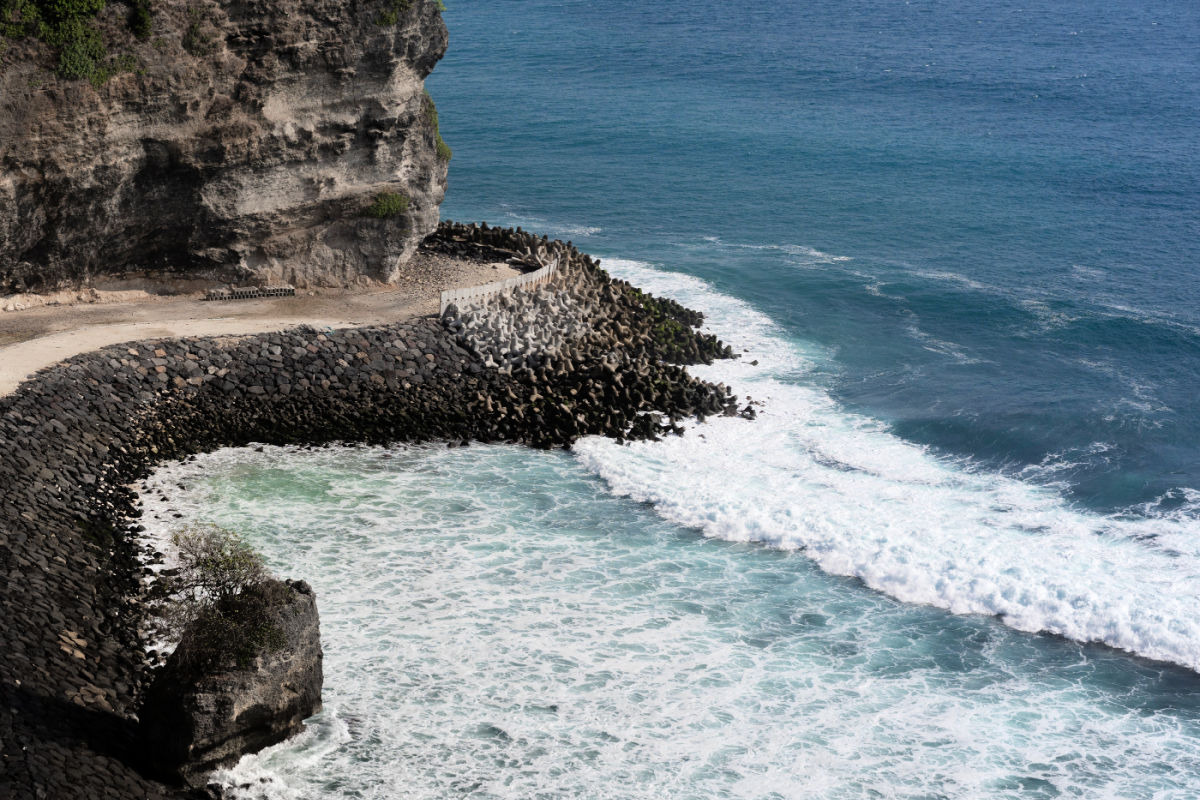
Uluwatu Sea Wall Project Faces Fresh Questions as Completion of Next Phase Looms
The controversial Uluwatu Sea Wall project is set to move into its next phase during Bali's peak tourist season, but fresh concerns about structural damage and environmental impact are threatening to derail progress on one of the island's most disputed infrastructure initiatives.
The project, located metres from the iconic Pura Luhur Uluwatu temple, has sparked intense debate since its inception. Officials argue the sea wall is necessary to stabilise the limestone cliff against erosion and cracking, yet critics contend the real purpose is to facilitate tourism development through an access road created during construction.
Storm Damage Raises Fresh Concerns
Recent reports indicate portions of the newly constructed sea wall structures have sustained damage, with substantial new cracks also appearing in the limestone cliff face. Pecatu Traditional Village Head I Made Sumerta attributed the deterioration to severe weather, stating that heavy storms and large waves caused parts of the boundary wall to collapse several months ago.
"Given these conditions, it probably collapsed a few months ago due to the large waves there. It collapsed after the Mulang Pakelem ceremony," Sumerta told reporters, expressing hope that the project would ultimately secure the cliffside and protect the temple above.
Spiritual Significance vs. Development Pressure
Uluwatu Temple holds profound spiritual significance for Balinese Hindus as one of the island's few ocean temples, attracting millions of visitors annually. The project's proximity to this sacred site has amplified local concerns about environmental and cultural protection.
The first phase, completed last year, proceeded without a formal AMDAL (environmental impact assessment)—a requirement that normally precedes major infrastructure work in Indonesia. Local residents filed legal complaints challenging this omission, but authorities justified the exemption by classifying the access road work as an emergency response to cliff instability.
Questions About Urgency and Timeline
However, community representatives have questioned the emergency designation. They point out that cracks in the limestone cliff were first documented over two decades ago and had shown no signs of acceleration, contradicting claims that immediate action was necessary.
The plan to launch the next phase during high season—when tourism traffic to Uluwatu peaks—has also drawn scrutiny from local residents concerned about construction impacts on both the temple and visitor experience during the busiest months.
Looking Forward
As the project moves toward its second phase, stakeholders remain divided on whether the sea wall represents genuine cliff stabilisation or the first step toward commercial development. Environmental activists and community leaders are likely to intensify scrutiny of the work, particularly if additional damage occurs or if the environmental impact assessment continues to be postponed.
Originally reported by The Bali Sun
Source: The Bali Sun