Indonesia's Food Crisis: From Scarcity to Obesity
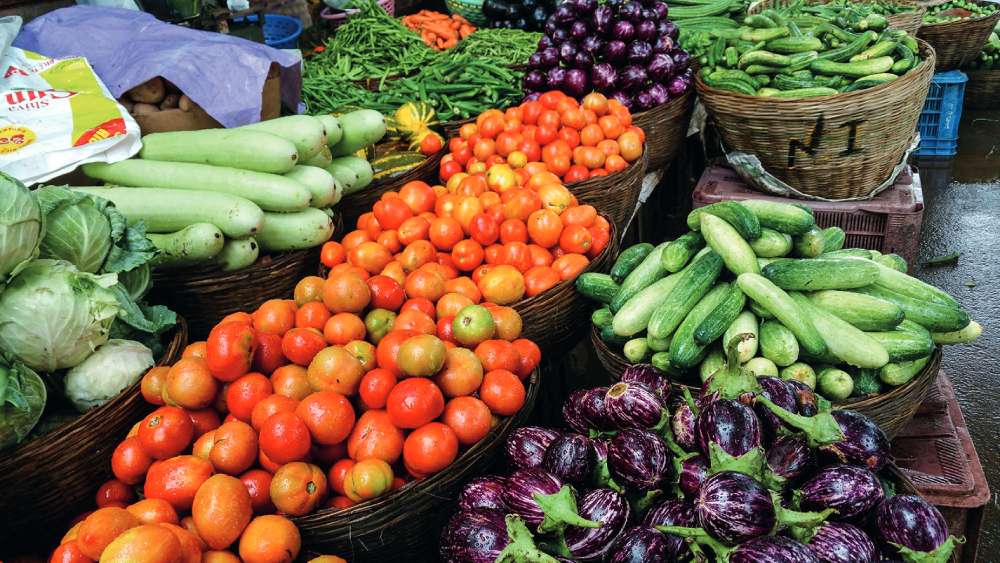
The Double-Edged Fork: How Indonesia Faces a Critical Food Crossroads
After decades of post-war scarcity, the world's wealthy nations have swung to the opposite extreme. Today, obesity rates exceeding 40 percent plague countries like the United States, Saudi Arabia, and Chile—a troubling reversal that raises urgent questions about how societies manage abundance. For Indonesia and Bali, where fresh ingredients have traditionally been plentiful and accessible, the warning signs are becoming impossible to ignore.
The statistics paint a sobering picture. While developed Asian nations like Japan, South Korea, and the Nordic countries maintain relatively low obesity rates through cultural food practices, the Pacific Islands face a health crisis, with obesity rates reaching 60 to 70 percent in some communities. Indonesia, blessed with agricultural fertility, now stands at a critical juncture between its traditional food culture and the creeping influence of processed convenience foods.
Beyond Individual Choice: Understanding the Bigger Picture
Obesity is no longer simply a matter of personal discipline. While mental health issues and physiological factors play roles in some cases, socio-cultural and environmental factors create the real foundation of the problem. Disposable income has fundamentally altered eating habits across the developing world, granting middle-class consumers the ability to purchase more—and more processed—food than ever before.
The culprit isn't abundance itself, but rather the type of food becoming abundant. Highly-processed, "highly-palatable" foods are engineered specifically to create cravings and encourage overconsumption. Packed with unnatural ingredients and designed for maximum profit rather than nutrition, these products flood convenience stores and roadside vendors throughout Indonesia's towns and cities.
"Bali and Indonesia in general are blessed to have such fertility, and therefore fresh foods are abundant. But these 'highly palatable' processed foods are becoming increasingly prevalent, from convenience store snacks to roadside fried chicken."
Indonesia's Hidden Advantage
The contrast within Indonesia itself tells an instructive story. Rural agrarian communities, where fresh local produce remains the dietary staple, maintain significantly lower obesity rates. Urban middle-class populations, with greater purchasing power and access to processed alternatives, are beginning to show concerning weight trends. This pattern mirrors what has happened in wealthier nations—but Indonesia still has time to choose a different path.
The key lies in what countries like Japan, South Korea, and the Nordic nations have successfully protected: culinary traditions built on whole, fresh ingredients and home cooking. These societies maintain healthier populations not because they're inherently superior, but because their food systems prioritize quality over convenience.
Protecting Tradition as Public Health
Indonesia's traditional eateries—the warungs serving fresh-cooked meals, the markets abundant with local produce, the cultural practices surrounding shared family meals—represent far more than cultural heritage. They are public health infrastructure.
Food plays a role in every significant ceremony and social gathering across Indonesian society. This isn't incidental; it's foundational to how communities bond and function. Protecting traditional food culture isn't merely about preserving customs—it's about maintaining access to nutritious, wholesome food and the social practices that encourage moderation and mindfulness in eating.
As processed foods become increasingly prevalent throughout Indonesia, the window to maintain these advantages remains open—but it's closing. The choice between nutritious tradition and profitable convenience won't be made by individual consumers alone. It requires conscious protection of the food systems, markets, and cultural practices that have kept Indonesians healthier for generations.
This article draws on perspectives originally published in NOW! Bali.
Source: NOW Bali