Bali Hotels Demand Government Aid for Waste Management Overhaul
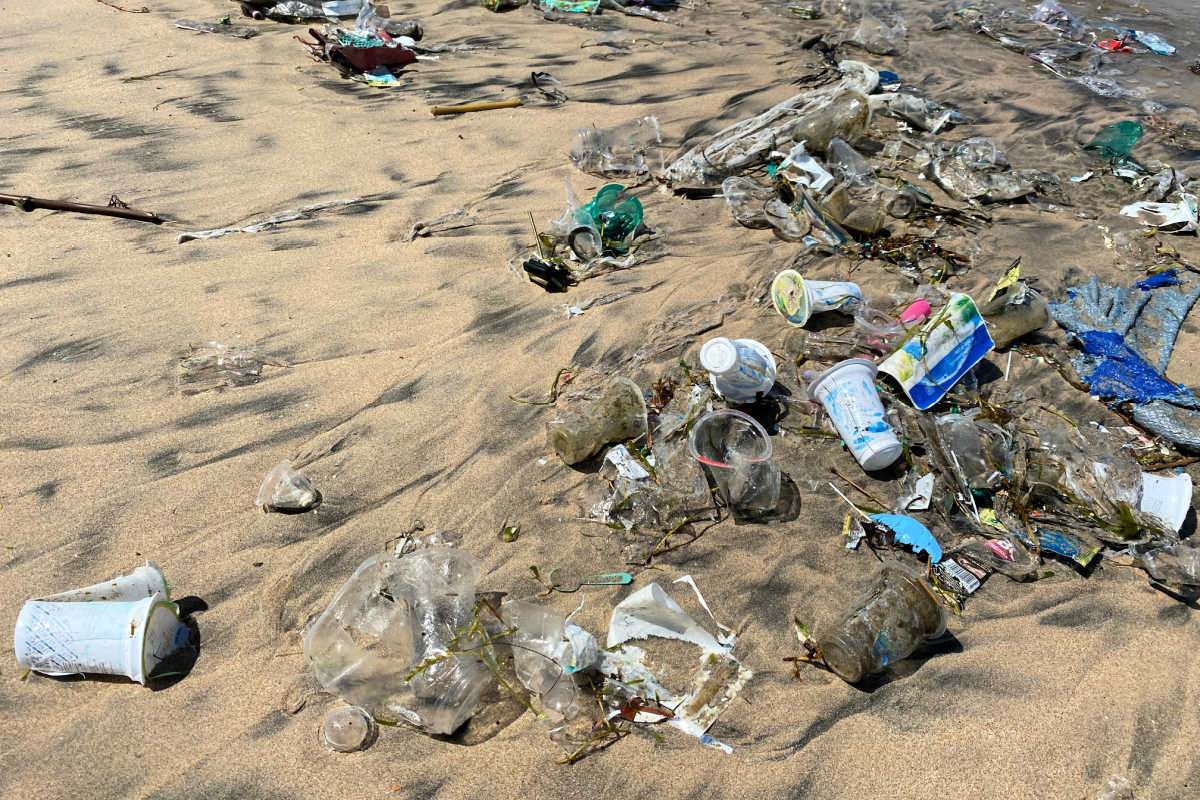
Bali's Hotel Sector Calls for Government Support as Waste Crisis Deepens
Bali's tourism industry, which generates over 60% of the province's GDP, is facing mounting pressure to overhaul its waste management practices—but hotel operators say they cannot do it alone. As the island's primary landfill prepares to close its doors permanently by late July 2026, businesses across the hospitality sector are demanding urgent government assistance to navigate sweeping new waste management policies.
The Landfill Crisis Threatens Island Infrastructure
The closure of Suwung TPA, Bali's largest landfill, has created an immediate infrastructure crisis. The facility currently refuses to accept mixed or organic waste, and with other regional landfills set to follow suit, the island faces a critical gap in waste disposal capacity. Existing recycling and composting facilities simply cannot absorb Bali's daily waste volume.
While the province has approved a new Waste-to-Energy facility (PSEL), construction won't begin until June at the earliest, with an estimated 18-month completion timeline. This leaves a dangerous void during a peak tourism season when the island welcomes hundreds of thousands of visitors monthly.
Hotels, Restaurants, and Villas Struggle With New Requirements
The rapid implementation of new waste management policies has blindsided the tourism sector. Hotels, restaurants, cafes, shopping malls, and villa operators report they were given insufficient notice and minimal technical guidance to redesign their internal waste protocols. Many businesses invested in new systems and staff training without receiving adequate support from local government authorities.
The new policies and landfill closures were implemented too quickly and without adequate system preparation and technical outreach, according to representatives from multiple hospitality businesses.
International Reputation at Stake
Bali's carefully cultivated image as a world-class tourism destination hangs in the balance. Recent weeks have seen alarming increases in trash burning and illegal dumping across the island—incidents that have garnered unwanted international media attention. For an economy dependent on foreign investment and tourist arrivals, environmental degradation poses an existential threat.
Private sector leaders recognize that inaction is not an option. The Indonesian Hotel and Restaurant Association (PHRI) Badung, represented by Secretary Gede Nick Sukarta, has begun publicly advocating for urgent government intervention, signaling that industry patience is wearing thin.
What Businesses Need From Government
Tourism operators are requesting several forms of support: clearer implementation timelines, technical assistance in redesigning waste systems, financial incentives for compliance, and coordination with waste management contractors to ensure reliable collection services.
The standoff reflects a broader challenge in Indonesia's development: rapid policy changes often outpace the infrastructure and institutional capacity needed to support them. For Bali, resolving this waste crisis requires balancing environmental responsibility with economic realities—before the island's signature clean, green image becomes another casualty of inadequate planning.
Source: The Bali Sun
Source: The Bali Sun