Kopi Luwak: Bali's Exclusive Coffee Beyond the Luxury Label
Kopi Luwak: Bali's Most Exclusive and Controversial Coffee
Kopi Luwak—the world's most expensive and exclusive coffee—has become one of Bali's most sought-after exports, commanding premium prices in international markets. Yet behind the luxury beverage lies a complex story that extends far beyond the bean itself, encompassing animal welfare concerns, agricultural economics, and tourism dynamics that define modern Bali.
The Unusual Journey From Cherry to Cup
Unlike conventional coffee production, Kopi Luwak undergoes a distinctly unconventional process that initially strikes many as bizarre. The Indonesian palm civet, locally called the "luwak," plays the central role in this production method. These small mammals consume raw coffee cherries from plantation trees across Bali, Sumatra, Java, and Sulawesi.
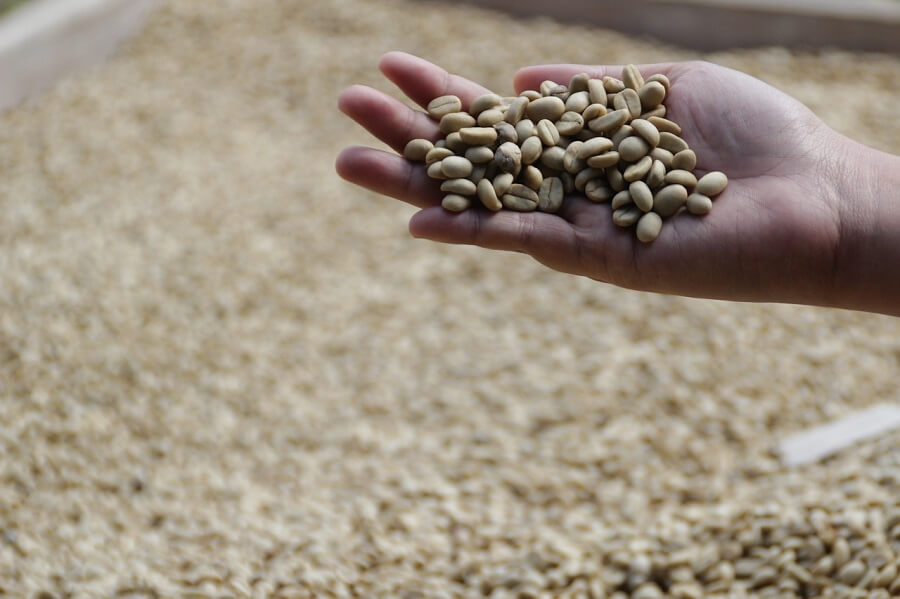
The animal's digestive system breaks down the fruit's pulp while leaving coffee seeds intact. After natural passage through the civet's digestive tract, the beans are collected, washed, dried, and lightly roasted to create the finished product. While unconventional—and admittedly off-putting to many—this process purportedly enhances the coffee's flavor profile through enzymatic changes during digestion.
The name "Kopi Luwak" directly translates from Indonesian: "kopi" meaning coffee and "luwak" referring to the palm civet. The term has become synonymous with luxury coffee worldwide.
From Niche Product to Global Phenomenon
Once a curiosity known mainly to Indonesian locals, Kopi Luwak has transformed into a global luxury commodity. What began as a regional agricultural byproduct has evolved into a multi-million dollar industry spanning across Indonesia, Vietnam, and the Philippines. Bali has positioned itself as the premium source, leveraging its tourism infrastructure and international brand recognition.
The price premium is staggering—genuine Kopi Luwak can fetch $100 to $600 per pound internationally, compared to standard specialty coffee at $5-20 per pound. This economic disparity has created both opportunity and controversy throughout coffee-producing regions.
The Animal Welfare Question
Growing demand has prompted serious concerns from animal rights organizations. Wild civets naturally consume coffee cherries as part of their diet, but the commercial boom has led to the capture and captive breeding of these animals. Conditions on some farms raise welfare issues, with civets confined in small cages and fed exclusively coffee cherries—an unnatural and nutritionally incomplete diet.
Reputable Bali producers increasingly emphasize ethical sourcing and wild-harvested beans collected naturally from forest floors, positioning themselves as responsible alternatives to mass-production facilities with questionable practices.
Bali's Tourism Connection
Kopi Luwak has become deeply embedded in Bali's tourism ecosystem. Visitors flock to coffee plantations across Ubud, Kintamani, and other regions to witness the production process firsthand. These agritourism experiences generate significant income for local communities while raising global awareness of the product.
However, tourism-focused operations sometimes prioritize visitor experience over authenticity, with some establishments accused of marketing inferior blends as premium Kopi Luwak or overlooking ethical sourcing standards.
Looking Forward
The future of Bali's Kopi Luwak industry hinges on balancing commercial success with sustainability and animal welfare. Leading producers are investing in certification systems, transparency in supply chains, and education for international consumers about authentic versus counterfeit products.
Originally published by Bali News
Source: Bali News