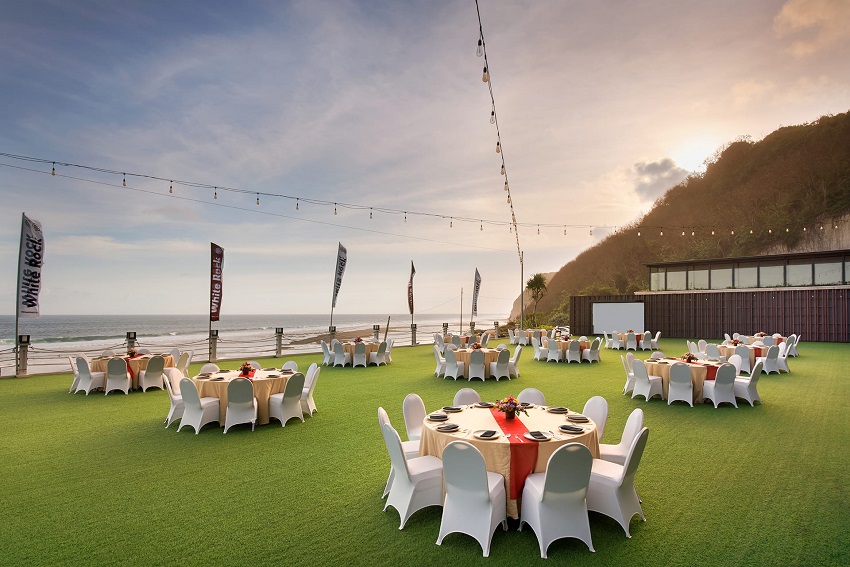
Kuta's Dining Renaissance: Can New Restaurants Revive Bali's Original Beach Town?
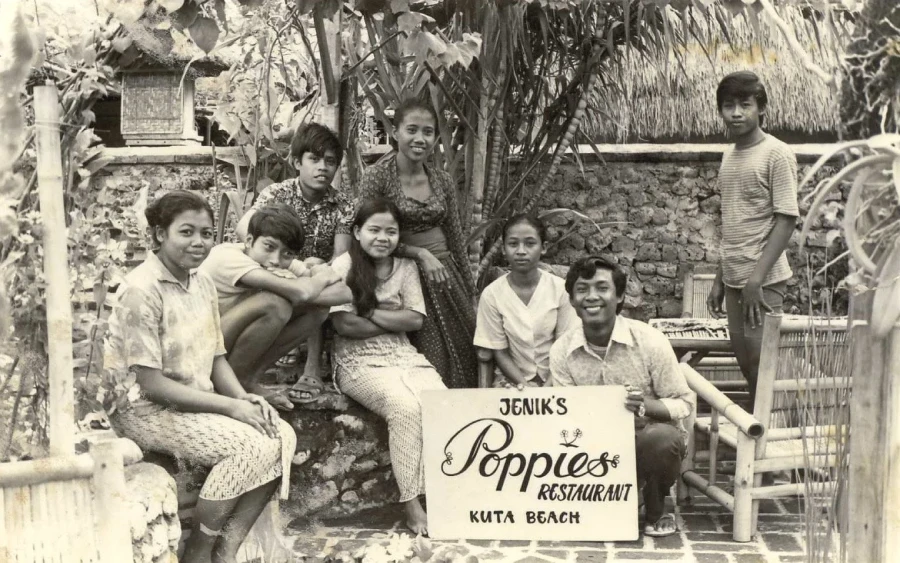
Kuta's Evolution: How New Dining Venues Are Reviving Bali's Pioneering Beach Town
Once the undisputed epicenter of Bali tourism, Kuta has spent the last two decades watching newer neighborhoods like Seminyak and Canggu steal the spotlight. But a fresh wave of dining establishments is signaling a potential renaissance for the beach town that put Bali on the global tourism map.
According to reporting by NOW! Bali, innovative restaurants and cafes are bringing contemporary energy to Kuta's storied streets, banking on the neighborhood's irreplaceable cultural heritage to attract both returning visitors and new generations of travelers seeking authenticity alongside modernity.
From Organic Beginnings to Tourism Powerhouse
Kuta's story is uniquely Balinese. While the government carefully developed Nusa Dua as a planned resort enclave, Kuta grew organically—shaped by local entrepreneurs and long-term expats who transformed coconut groves into modest losmen, warungs, and beachside establishments. Landmarks like Made's Warung (established 1969) and Poppies (1973) remain testaments to this grassroots era.
The 1980s transformed Kuta into a party destination, with legendary venues like Paddy's and the Sari Club becoming rites of passage for international visitors. The 1990s brought another shift: surf brands, the Hard Rock Café (1993), and major resort chains positioned Kuta as a family-friendly destination while maintaining its nightlife reputation.
"Kuta evolved from lo-fi refuge to full-scale tourist hub"—but like many victims of their own success, rapid development eventually overshadowed what made the area special in the first place.
The Westward Migration and Present Recovery
As overcrowding set in, both businesses and visitors migrated westward—first to Legian, then Seminyak, and ultimately to Canggu. The Bali bombings of 2002 and 2005, combined with the pandemic, further challenged Kuta's dominance. Yet despite these headwinds, the neighborhood has maintained its essential buzz.
The current dining renaissance represents more than just commercial opportunism. Entrepreneurs are explicitly positioning new venues around Kuta's cultural significance and surf heritage. Jordan Kendel, co-founder of Bali General Store (BGS, established 2013), exemplifies this approach—choosing Kuta as a homecoming to Bali's authentic roots rather than chasing the perpetual search for "untouched" areas.
Why History Cannot Be Replicated
While newer neighborhoods offer the appeal of novelty, they fundamentally lack what Kuta possesses: genuine historical significance. Bali's modern surf culture was literally born on Kuta Beach and its adjacent streets. The area's institutions are not manufactured nostalgia but authentic landmarks that shaped tourism in Southeast Asia.
This authenticity is increasingly valuable in an oversaturated tourism market. Travelers seeking experiences beyond Instagram-friendly backdrops are rediscovering neighborhoods with substance and story. Poppies Lane's backroads still carry the unmistakable character of Bali's pioneering era.
Looking Forward
The strategy is clear: rather than compete with Canggu's trendiness or Seminyak's sophistication, Kuta is leveraging what neither can offer—irreplaceable cultural roots and a proven ability to evolve with tourism demands. With thoughtful investment in dining and hospitality, Kuta may well reclaim its position not as Bali's party capital, but as its cultural foundation.
Source: NOW Bali