Bali's Organic Farming Boom Transforms Food Tourism
Bali Taps Organic Farming To Transform Culinary Tourism And Protect Environment
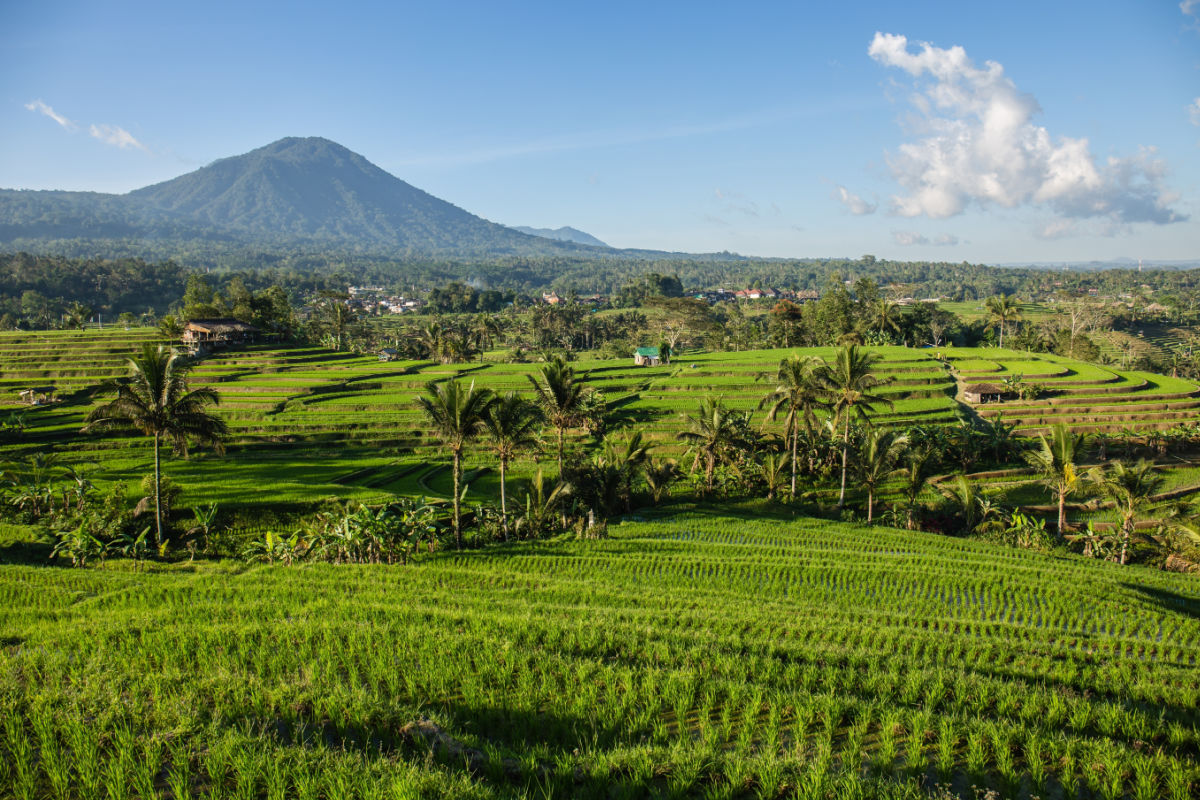
Bali is positioning itself at the intersection of two growing global trends: food tourism and sustainable agriculture. As Indonesia's national tourism strategy for 2026 prioritizes gastronomy alongside maritime and wellness experiences, the island's provincial government has committed to developing organic agricultural products as a cornerstone of its culinary tourism expansion.
The initiative was highlighted this week at the Food, Hotel and Tourism Bali (FHTB) Exhibition, where provincial leaders outlined concrete plans to support organic farming practices that will benefit local farmers, tourists seeking authentic culinary experiences, and the island's fragile ecosystem.
Government Backing With Regulatory Framework
I Wayan Sumarajaya, head of the Bali Tourism Office (Dispar), confirmed the government's commitment to positioning organic agriculture as a foundation for culinary tourism development. "In order to realize culinary tourism, the Bali Provincial Government has been committed to developing organic agricultural products for the past few years," he told reporters.
Rather than relying on voluntary adoption, the provincial government is using legislation to accelerate the transition. Three key regulations now guide the shift:
- Bali Provincial Regulation Number 8 of 2019 concerning the Organic Farming System
- Bali Governor Regulation Number 15 of 2021 implementing the organic farming framework
- Bali Governor Regulation Number 99 of 2018 governing marketing and utilization of Bali's local agricultural products
Health And Environmental Benefits Aligned
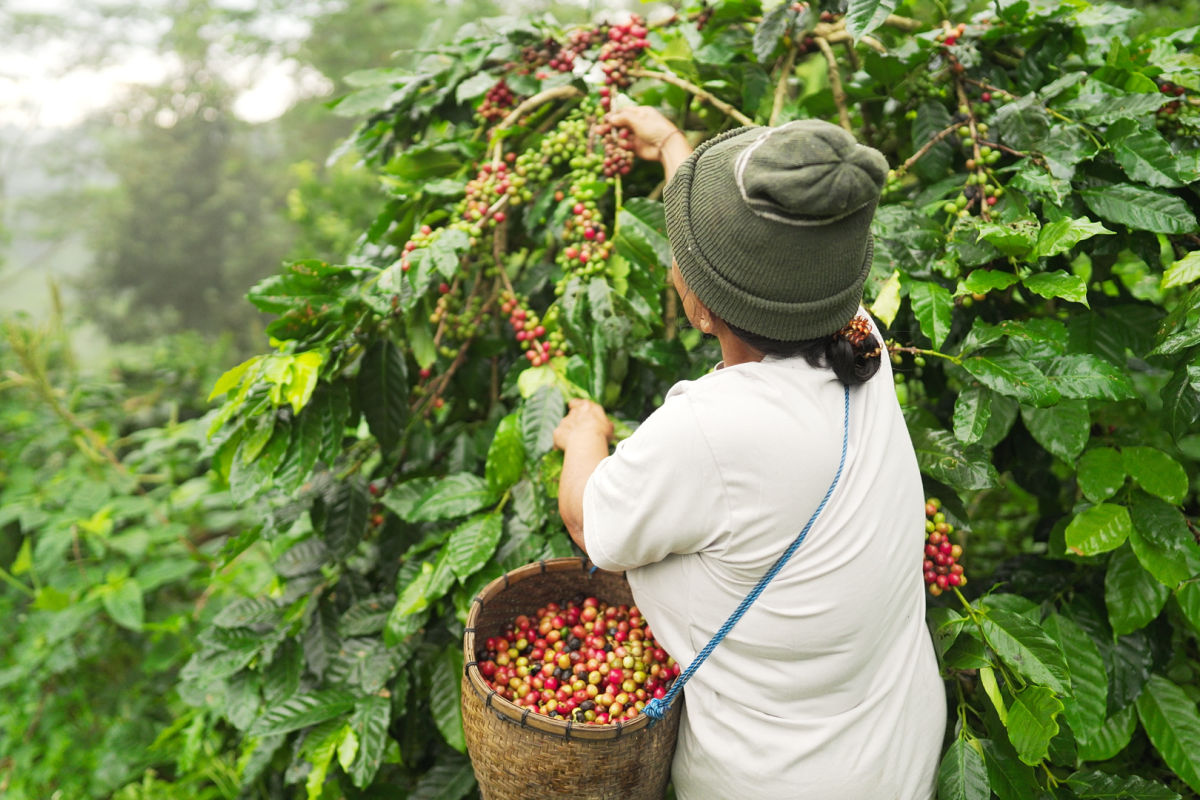
The push toward organic production addresses mounting concerns about pesticide and herbicide use in conventional agriculture. These chemicals have been linked to human health problems and environmental damage, with some compounds persisting in ecosystems indefinitely.
Organic farming represents a long-term investment in both ecological and public health, reducing the reliance on harmful agrochemicals that damage soil quality and contaminate water supplies essential for agriculture and communities.
For Bali, which depends heavily on agricultural landscapes that attract tourists seeking authentic rural experiences, this environmental stewardship creates a competitive advantage. Visitors increasingly seek destinations that demonstrate commitment to sustainability, and the island's reputation for wellness tourism naturally aligns with organic, chemical-free food systems.
Supporting Farmers Through Transition
The transition to organic farming is not without challenges. Many of Bali's farmers face significant economic pressures and may lack training or resources to shift growing methods. The provincial government's regulatory approach suggests recognition that market forces alone won't drive this change quickly enough.
By coupling culinary tourism promotion with organic farming incentives, Bali aims to create a virtuous cycle: tourists seek authentic, farm-to-table dining experiences; restaurants source from organic local producers; farmers gain stable markets and premium pricing; and the island's agricultural heritage and natural environment are preserved for future generations.
As global competition for culinary tourism intensifies, Bali's strategy of linking food authenticity with environmental responsibility positions the island distinctly in the market—offering not just memorable meals, but the knowledge that each dining experience supports sustainable practices and local communities.
Originally published in The Bali Sun, May 2, 2026
Source: The Bali Sun