Uluwatu Residents Resist Unchecked Tourism Development
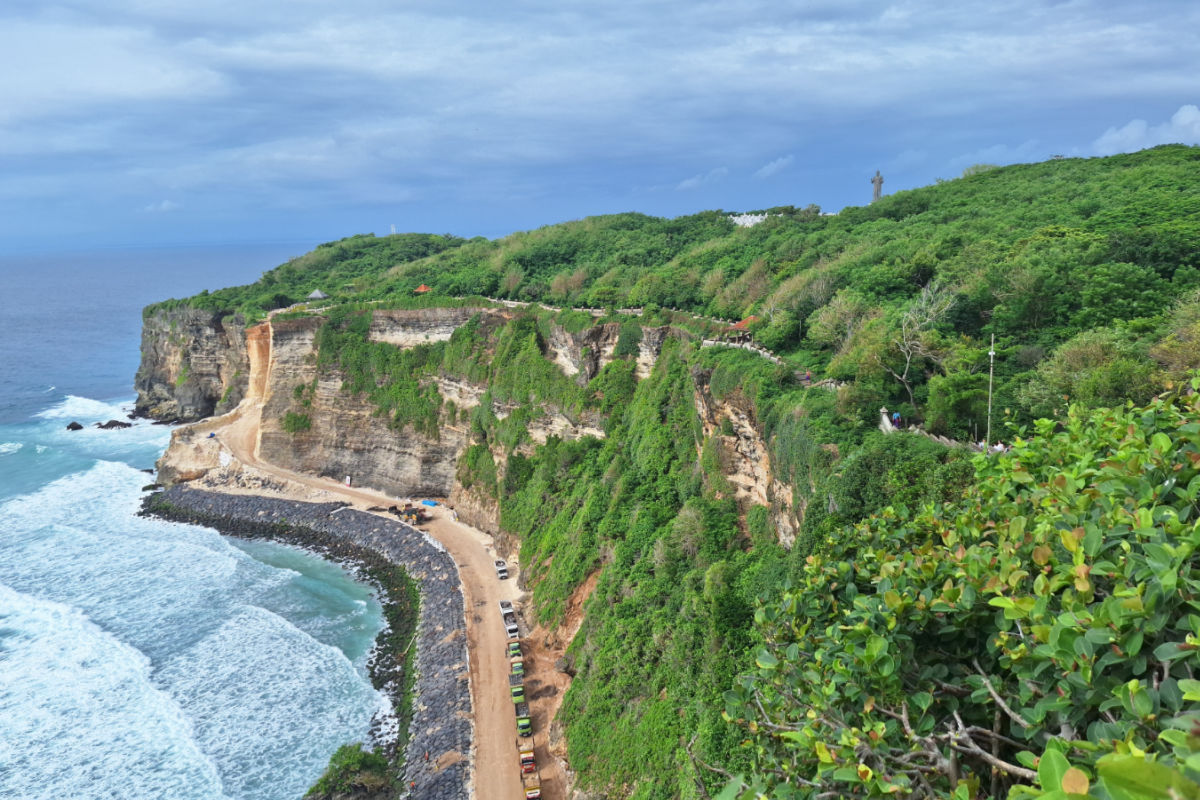
Uluwatu Residents Push Back Against Unchecked Tourism Development
As one of Bali's most visited destinations, Uluwatu — locally known as Pecatu — has become a flashpoint for tensions between tourism growth and community welfare. A major village meeting this week revealed deep concerns among residents about how rapid development is reshaping their homeland.
Hundreds of villagers attended the Pecatu Traditional Village Community Meeting (Paruman), traditionally held to review village programs. But the gathering evolved into something more urgent: a public forum where locals aired grievances about how tourism infrastructure is degrading their environment and disrupting traditional ways of life.
Environmental Damage Demands Action
I Made Sumerta, Head of Pecatu Traditional Village, highlighted the central problem facing the region. Development projects have simultaneously harmed the natural environment and fractured community social structures that have existed for generations.
"Our focus is on rehabilitating plants that have been displaced or cut down due to development. Empty spaces must be reforested to maintain the village's natural environment."
The village leadership has identified environmental rehabilitation through large-scale reforestation as a priority, signaling recognition that past decisions cannot be undone — only mitigated going forward.
International Community Bears Witness
Uluwatu's plight resonates beyond local boundaries. The area attracts a significant permanent international population, including surfers, entrepreneurs, and long-term visitors who have witnessed decades of environmental transformation. Many arrived when Uluwatu's cliffs and beaches were wilder, less developed places.
International surfers, in particular, have expressed alarm at how coastal degradation has accompanied tourism expansion. Two controversial projects have symbolized these tensions: the Uluwatu Sea Wall Project, which sparked considerable deforestation, and demolition work at nearby Bingin Beach — both viewed by environmental advocates as excessive infrastructure projects that destroyed natural habitats.
A Pattern Repeated Across Bali
Pecatu's struggle mirrors broader challenges facing Bali as the island grapples with balancing economic benefits against environmental costs. The tension between preserving natural assets that attract tourism and protecting them from tourism's own footprint has become increasingly acute.
The fact that village leadership is now publicly acknowledging environmental damage suggests growing recognition that the status quo is unsustainable. However, reforestation alone cannot reverse decades of deforestation and habitat loss.
Originally published in The Bali Sun
Source: The Bali Sun