Sydney and Bali: Two Hospitality Models Finding Common Ground
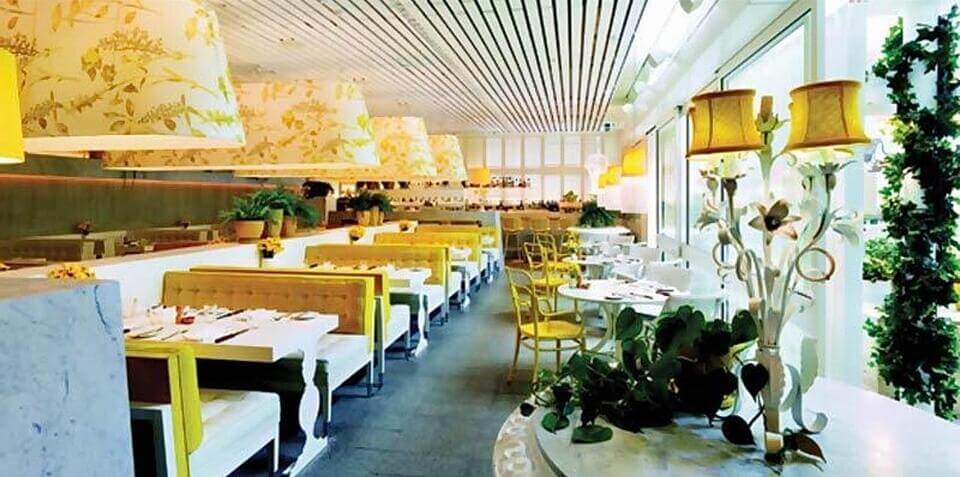
Two Island Hospitality Models Learning From Each Other
Sydney and Bali have long represented opposing philosophies in hospitality: one built on operational precision and commercial sophistication, the other rooted in atmosphere and cultural authenticity. Yet in a striking convergence, these two destinations are increasingly adopting each other's strengths, reshaping how they welcome visitors.
The comparison reveals a broader trend in global tourism — the recognition that hospitality's future lies not in choosing between efficiency or emotion, but in mastering both.
Sydney's Path: Structure Meets Sophistication
Sydney's hospitality landscape developed within a highly regulated, commercially mature market. Consistency, operational excellence, and service standards became foundational. Major hospitality groups evolved beyond simple venue operators to become comprehensive ecosystem builders, integrating food, design, entertainment, and lifestyle into cohesive experiences.
This approach prioritized scalability and measurable quality control — the hallmarks of a destination catering to global business travelers and affluent consumers expecting predictable standards.
Bali's Strength: Feeling Over Formula
Bali's hospitality appeal followed an entirely different trajectory. Rather than relying on infrastructure or standardization, the island's draw emerged from intangible elements: atmosphere, cultural immersion, spirituality, and community connection. Visitors sought emotional escape and experiential authenticity rather than transactional comfort.
This emotionally-driven model created a perception of hospitality as intimate and personalized rather than corporate and formulaic.
The Shift: Markets Moving Toward Middle Ground
Recent years reveal a fascinating pivot. Sydney's hospitality venues are increasingly prioritizing experience-driven design and emotional storytelling. Premium dining and entertainment concepts now emphasize atmosphere and identity alongside culinary excellence. Consumers no longer seek only superior food; they demand connection and meaning.
Simultaneously, Bali's hospitality ecosystem is adopting Sydney's operational sophistication. As competition intensifies and international standards rise, Balinese establishments are investing in professional training, consistent service delivery, and sustainable business practices — without sacrificing cultural authenticity.
"Both markets recognize that modern travelers expect the best of both worlds: reliable excellence and genuine experience,"
What Each Destination Can Teach
Bali's lesson for Sydney: Emotional intelligence and cultural storytelling create lasting memories that premium pricing alone cannot achieve. Authenticity and community engagement differentiate venues in an increasingly crowded luxury market.
Sydney's lesson for Bali: Sustainable growth requires operational rigor, staff training, and system consistency. Professional standards need not compromise the warmth and cultural character that define Balinese hospitality.
The Competitive Advantage
This convergence positions both destinations strategically. Sydney can recapture the experiential magnetism that draws visitors seeking more than convenience. Bali can strengthen its infrastructure while preserving the authentic cultural experiences that differentiate it from mass-tourism alternatives.
The lesson extends beyond these two destinations: hospitality's future belongs to those who master operational excellence while maintaining emotional authenticity. As originally reported by Bali News, this evolution reflects broader global trends in how travelers now evaluate their experiences.
Source: Bali News