Discovering Mayong: North Bali's Hidden Village of Ancient Traditions
Discovering Mayong: North Bali's Hidden Village of Ancient Traditions
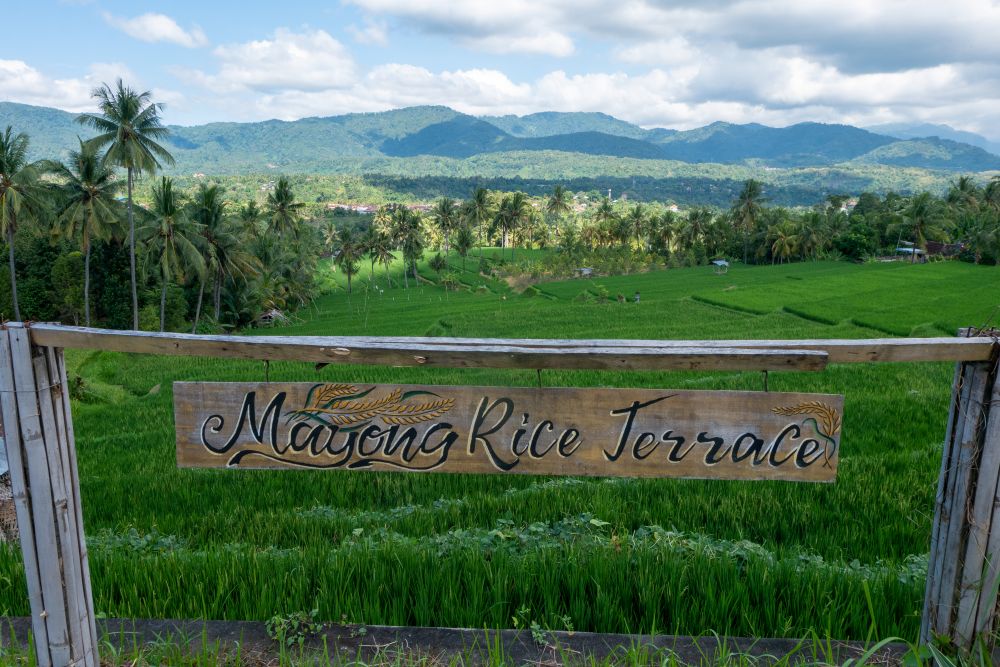
Nestled in the serene highlands of North Bali, Mayong Village remains one of the island's best-kept secrets. Located deep within Seririt District in Buleleng Regency, this rural settlement lies a challenging 2.5-hour drive from Denpasar – a distance that has effectively shielded it from the tourist masses and rapid development that characterizes South Bali.
For travelers seeking authentic Balinese culture untethered from commercial tourism, Mayong offers something increasingly rare: a community still governed by agrarian cycles, ancestral wisdom, and living spiritual practices. The village invites visitors to experience the Bali of centuries past, where daily rhythms remain synchronized with nature and tradition rather than tourist schedules.
Tracing Roots to the Megalithic Era
Mayong's significance extends far beyond its contemporary charm. Archaeological evidence suggests human settlement in the region dates back to the megalithic era, making it one of North Bali's historically significant yet understudied landscapes. Ancient sarcophagi and stone artifacts discovered in areas like Poh Asem provide tangible links to prehistoric inhabitants who called these highlands home millennia ago.
The village's deeper historical narrative, however, is preserved in local oral traditions and historical inscriptions rather than textbooks. According to the Poh Galuh Inscription dated to 919 AD, respected figures including Ki Pasek Kubayan and Ki Pasek Dalem Madura journeyed from Jepara in East Java, traveling with King Ida Bhatara Dalem Lingsir on a sacred mission that would reshape North Bali's spiritual landscape.
A Journey That Shaped the Region
The historical route traced by these early settlers reveals the interconnectedness of Java and Bali during the ancient Hindu-Buddhist period. The journey began in Jepara, passed through Gresik, and crossed to Bali's northern coast at Pulaki. From there, the group traveled inland through Karangsuwung and Ringdikit before establishing their first settlement at Pohasem.
Seeking a location offering greater security and strategic advantages, the settlers moved westward and established what became known as "Maya-Wong" – eventually abbreviated to Mayong. The name itself carries profound spiritual significance in Balinese Hindu cosmology.
"Maya-Wong" reflects the harmony between the seen and unseen worlds – sekala and niskala – concepts that continue to shape Balinese Hindu philosophy today.
Living Spirituality in Sacred Spaces
Throughout Mayong, evidence of these ancestral journeys remains woven into the community's spiritual infrastructure. Temples such as Pura Dalem Kertha Mayong function not merely as places of worship but as living repositories of collective memory. Within these sacred spaces, ceremonies, offerings, and rituals continue honoring the ancestors whose journeys established the village's spiritual foundation.
For visitors willing to undertake the journey to North Bali's interior, Mayong represents an opportunity to witness Balinese culture functioning in its traditional context – where spirituality, history, and daily life remain inseparably intertwined, and ancient pathways continue guiding contemporary practice.
Source: NOW! Bali
Source: NOW Bali