Bali's Hidden Thermal Springs: The Island's Ultimate Wellness Escape
Beyond the Beaches: Bali's Thermal Springs Emerge as Must-Visit Wellness Destinations
While international visitors typically flock to Bali's renowned beaches and rice terraces, the island harbors a lesser-known treasure that rivals its famous coastal attractions: a network of natural hot springs fed by volcanic activity. These geothermal springs, scattered across Bali's interior and often tucked away in rural villages, represent both a wellness opportunity and a window into the island's spiritual heritage.
The Volcanic Source of Bali's Mineral Waters
Bali's geographical position along the Pacific Ring of Fire gives it access to naturally heated groundwater rich in minerals. The island's active volcanic peaks and elevated ridgelines create the perfect conditions for freshwater ecosystems—including lakes, rivers, and springs—that hold significant cultural and ecological value.
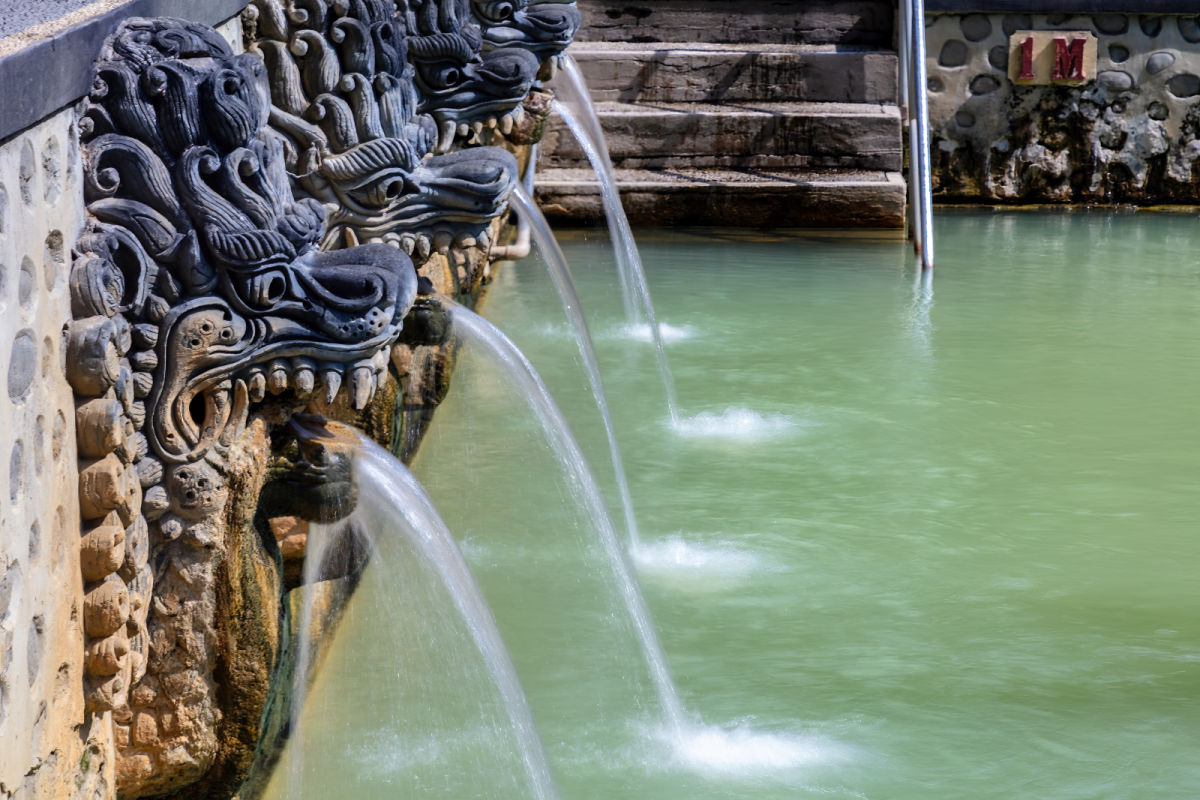
The thermal springs themselves vary considerably in temperature, ranging from 37°C to 45°C depending on their proximity to volcanic magma and depth below the surface. The mineral composition, particularly high concentrations of calcium, potassium, and sulphur, is believed by locals to possess therapeutic properties. This sulfur content explains the distinctive egg-like aroma found at many springs—a characteristic that deters some visitors but is considered a sign of authenticity and healing potential by believers.
Sacred Waters in Balinese Hindu Tradition
In Balinese Hinduism, tirta (water) holds profound spiritual significance as one of the most important earthly elements. Water reverence permeates daily life, ceremonial practices, and religious rituals across the island.
The most celebrated manifestation of this sacred relationship is Tirta Empul Temple, located just outside Ubud's central district. This iconic water temple attracts both devout Hindu worshippers and curious tourists seeking to participate in melukat, a purification ceremony performed for spiritual cleansing of mind, body, and soul. Visitors can witness—or participate in—this ancient ritual, offering a genuine glimpse into Balinese spiritual practice.
The thermal springs vary considerably in temperature, ranging from 37°C to 45°C depending on their proximity to volcanic magma, with mineral-rich waters believed to possess healing properties.
Kintamani: Bali's Premier Hot Spring Destination
The most celebrated hot spring experience on the island can be found in the Kintamani region, where the Batur Hot Springs offer an exceptional combination of natural wellness and panoramic scenery. Located along the shores of Lake Batur, visitors can soak in waters maintained at approximately 40°C while enjoying unobstructed views of Mount Batur, Mount Abang, and the surrounding volcanic landscape.
A notable advantage of Batur Hot Springs compared to other thermal facilities is the relatively mild sulfur content in its waters—making it an accessible option for those sensitive to strong mineral odors. The location has become particularly popular among trekkers who summit Mount Batur for sunrise, offering the perfect post-hike recovery experience.
An Untapped Wellness Opportunity
As Bali's tourism industry continues to evolve beyond conventional beach holidays, these natural springs represent an authentic, culturally-rooted alternative to commercialized spa experiences. For visitors seeking wellness, spiritual engagement, or simply a respite from crowded tourist zones, Bali's hidden thermal springs warrant serious consideration.
Original source: The Bali Sun
Source: The Bali Sun