Experience-Led Hospitality Becomes the Global Standard
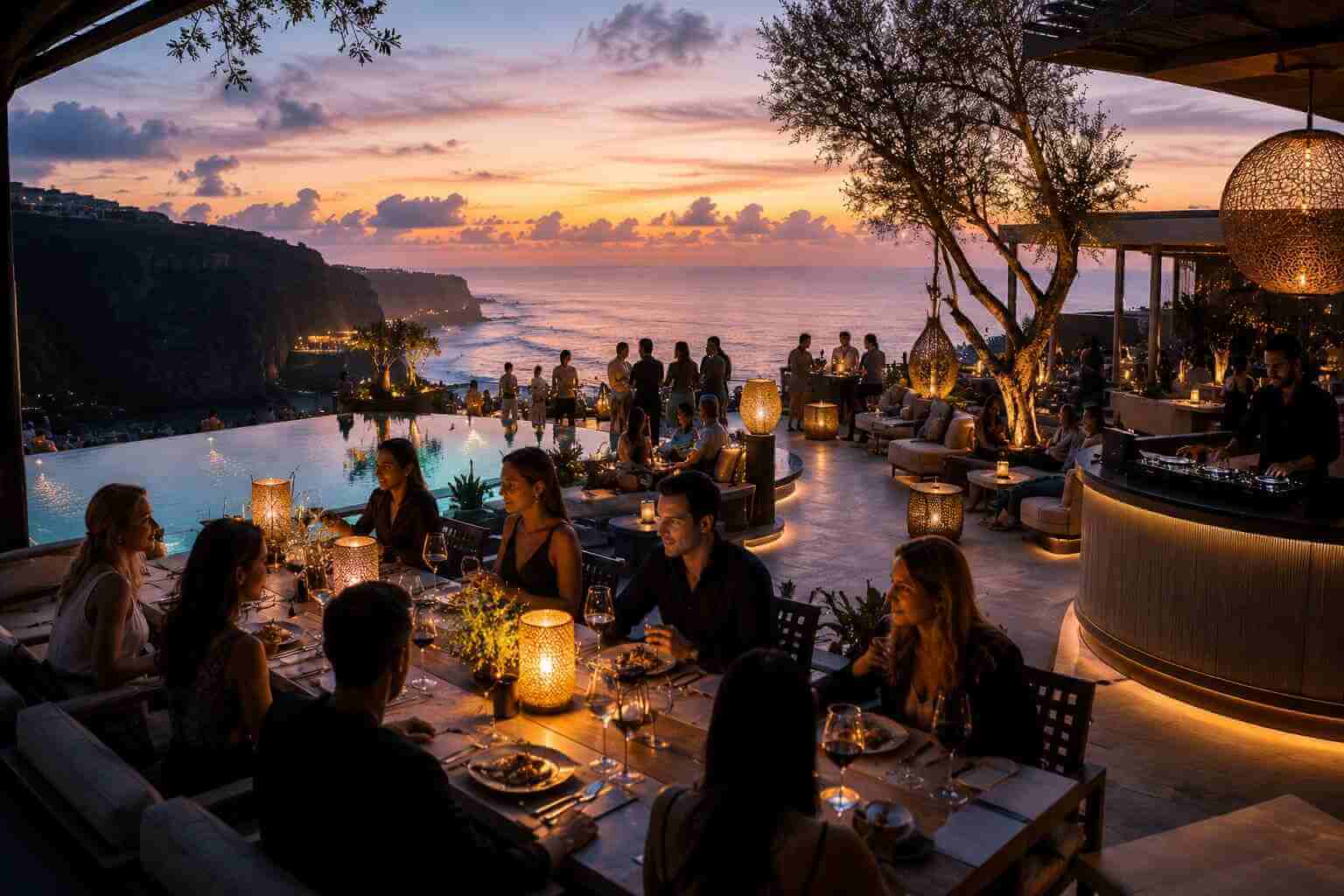
Experience Over Transaction: How Global Hospitality Is Reinventing Itself
The global hospitality industry is undergoing a fundamental shift that extends far beyond better service or sleeker interiors. Venues worldwide are discovering that the key to competitive advantage lies not in what they sell, but in how they make guests feel—a transformation reshaping everything from Bali's resort landscape to urban dining scenes across Asia and beyond.
For generations, hospitality success was measured in straightforward metrics: capacity, turnover, pricing power, and operational efficiency. But consumer psychology has evolved dramatically. Today's travelers and diners are no longer passive consumers of rooms and meals; they are seeking immersive participation in carefully curated environments that reflect and reinforce their personal identity and values.
The Blurring of Boundaries Between Industries
The traditional lines separating hospitality, entertainment, culture, and lifestyle are dissolving. Modern hotels function as lifestyle communities. Restaurants have transformed into social and cultural gathering spaces. Wellness retreats blend meditation, cuisine, design aesthetics, and local traditions into cohesive experiences.
"Hospitality is no longer simply about service. It is about how people feel."
This evolution has particular relevance for Bali, where boutique resorts and restaurants have already begun pioneering experience-led models. Properties across Seminyak, Ubud, and Uluwatu now integrate Balinese cultural programming, wellness activities, and artisanal dining into comprehensive lifestyle offerings rather than discrete services.
Atmosphere as Currency
In an increasingly crowded marketplace where operational excellence is the baseline expectation, emotional experience has become the primary differentiator. Design, soundscape, energy, and the intangible "vibe" of a venue now carry more commercial weight than ever before.
Research consistently shows that customers retain emotional memories of places far longer than transactional details. A guest remembers how a hotel lobby made them feel—the quality of light, the warmth of staff interaction, the sense of belonging—rather than thread count or check-in efficiency. This emotional imprint drives loyalty and word-of-mouth marketing with an authenticity that conventional advertising struggles to replicate.
Why This Moment Matters
Global hospitality saturation has created a paradox. Quality accommodation, excellent food, and professional service are no longer competitive advantages—they are basic expectations. In major tourism destinations worldwide, including Indonesia's resort regions, this commoditization means operators must look deeper to differentiate.
- Consumers increasingly prioritize authenticity and cultural connection
- Wellness and sustainability are integrated into experience design
- Social media amplifies venues that create memorable, visually distinctive environments
- Younger travelers value experiences over possessions and are willing to pay premium prices for emotional resonance
Implications for Bali's Hospitality Sector
Bali's tourism industry—already renowned for cultural richness and natural beauty—is well-positioned to lead this transition. The island's existing advantages in design, cuisine, wellness traditions, and authentic cultural experiences align naturally with experience-led hospitality expectations. However, competition from emerging destinations means properties must continually innovate beyond surface-level offerings.
The properties succeeding in this new landscape are those integrating local knowledge, artisanal practices, and genuine cultural engagement into every touchpoint. The distinction between a hotel and a cultural institution, between a restaurant and a creative enterprise, continues to blur—and the most successful venues embrace this fluidity rather than resist it.
Source: Bali News, May 27, 2026
Source: Bali News