World Bank Outlines Five Critical Challenges for Bali's Development
World Bank Identifies Five Critical Infrastructure Challenges for Bali's Future
In a high-level meeting on May 22, Bali Governor Wayan Koster met with Carolyn Turk, the World Bank's Country Manager for Indonesia, to discuss a comprehensive assessment of the island's most pressing developmental obstacles. The World Bank has pinpointed five major infrastructure and environmental challenges that threaten Bali's long-term sustainability and competitive position as a global tourism destination.
The Five Critical Challenges
The World Bank has identified the following priority areas demanding immediate action:
- Wastewater treatment and recycling — addressing the island's capacity to process and reuse water responsibly
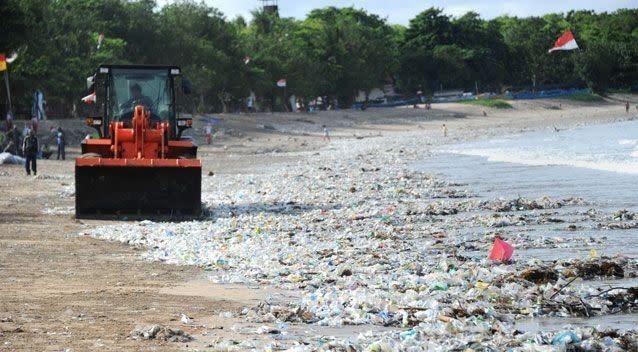
- Waste and garbage management — tackling mounting solid waste disposal problems
- Mobility and transportation — improving infrastructure to handle growing traffic congestion
- Clean water supply — ensuring reliable access to potable water across all regions
- Electricity supply — expanding reliable power distribution to underserved areas
Strategic Partnership for Solutions
Rather than simply highlighting problems, the World Bank has proposed a collaborative approach. Turk recommended that Governor Koster establish a dedicated technical team to work alongside World Bank experts in developing concrete, implementable solutions. This joint effort aims to move beyond analysis into actionable policy and infrastructure initiatives.
"Our team of analysts not only focuses on Bali's current condition, but also looks to future needs. Bali remains a global prima donna. The challenge is how to maintain Bali's position as a leading and prime destination in the coming years," Turk said during the meeting.
Balancing Growth with Sustainability
The World Bank's concerns reflect a broader tension facing Bali: the island must support millions of annual tourists while maintaining essential services for its 4 million residents. Infrastructure gaps in waste management, water supply, and power distribution have become increasingly visible as tourism volumes have surged in recent years.
Governor Koster acknowledged the scale of the challenge, noting that infrastructure improvements must be pursued "in a serious, well-organized manner." He also highlighted the substantial financial resources required to execute such ambitious projects, signaling that funding—whether through domestic budgets, foreign investment, or development partnerships—will be critical to success.
Environmental Protection as Priority
The Governor emphasized that environmental quality must be central to Bali's development strategy. Creating a "clean and healthy" island environment is not merely an environmental concern but essential for maintaining Bali's appeal to international visitors and improving quality of life for local residents.
The World Bank's intervention comes at a critical juncture for Bali. As the island rebounds from pandemic-related tourism disruptions, policymakers face mounting pressure to modernize infrastructure without compromising the environmental and cultural assets that define Bali's identity.
Report based on original coverage by Balipost.com
Source: Bali Discovery