Oil Prices Surge as US Tightens Iran Sanctions
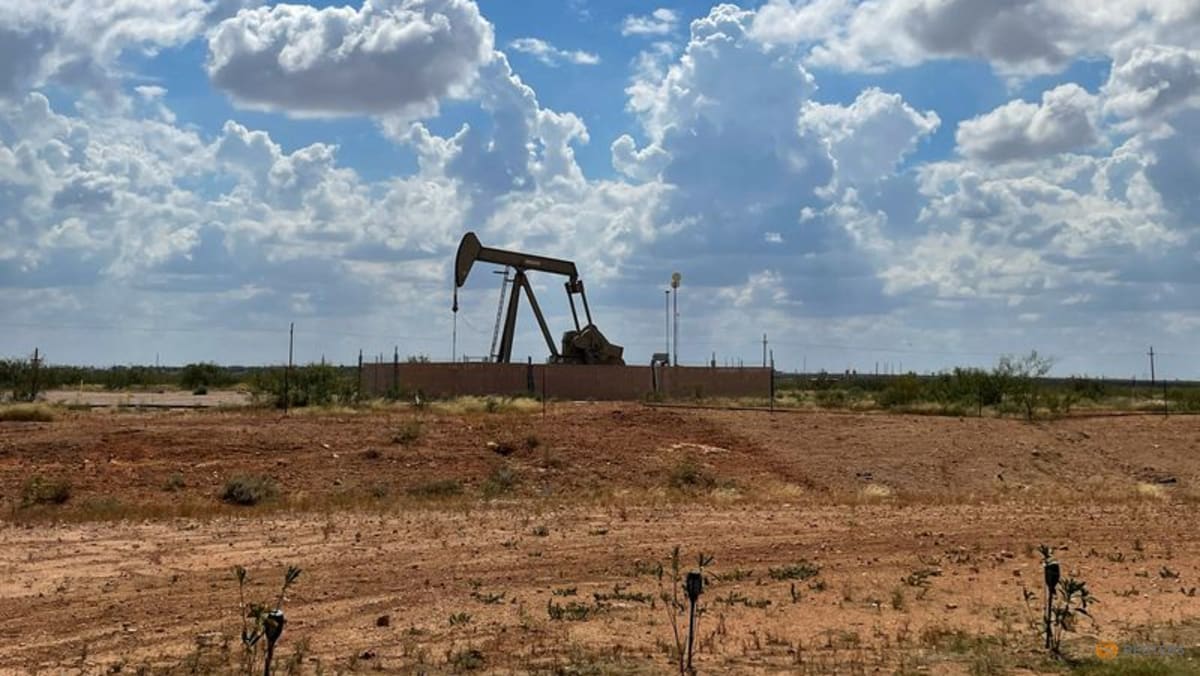
Global Oil Prices Surge Amid US Sanctions on Iran Crude Sales
International oil markets rallied sharply following the United States' decision to revoke its general license for Iranian oil transactions, signaling a significant tightening of sanctions against Tehran's petroleum sector.
The policy reversal marks an escalation in US restrictions on Iran's oil exports, one of the country's primary revenue sources. The move comes amid broader geopolitical tensions and follows what sources describe as a settlement agreement, though specific details remain limited.
What the License Revocation Means
The general license had previously permitted certain limited transactions with Iranian oil entities under strict conditions. Its revocation effectively closes loopholes that some international buyers and traders were using to conduct business with Iran's energy sector.
The implications extend beyond Iran itself. For Indonesia and other Southeast Asian economies reliant on stable energy imports, such policy shifts create uncertainty in global oil supplies and pricing mechanisms. Regional economies remain vulnerable to crude price volatility triggered by geopolitical events thousands of miles away.
Market Response and Bali's Connection
The oil price spike reflects market concerns about potential supply constraints. When major producers face sanctions or export restrictions, traders respond by bidding up prices for available crude, a dynamic that reverberates through global energy markets.
Bali's tourism and transportation sectors, already navigating post-pandemic challenges, face renewed pressure from elevated fuel costs. Rising oil prices typically increase operational expenses for airlines serving the island, hotels requiring generator fuel during power outages, and the motorbike-dependent transport network that defines daily life for residents.
Broader Strategic Context
The US sanctions strategy aims to constrain Iran's ability to finance regional activities and military operations. However, such measures create ripple effects across global energy markets, disproportionately affecting developing economies and island nations with limited energy resources.
Indonesia, as Southeast Asia's largest economy and major oil importer, faces particular exposure. The rupiah can weaken when oil prices spike, making imported crude more expensive in local currency terms and increasing inflationary pressure on consumer goods and transportation costs.
Looking Forward
Market analysts expect continued volatility as the full implications of the sanctions become clear. Alternative oil suppliers, including those from the Middle East and West Africa, may see increased demand as buyers seek to replace Iranian crude supplies.
For Bali specifically, stakeholders in tourism, hospitality, and transport sectors should prepare for potentially higher operating costs in the coming months. The timing coincides with peak tourist season preparations, potentially affecting pricing decisions and business margins across the island's economy.
Source: CNA SE Asia
Source: CNA SE Asia