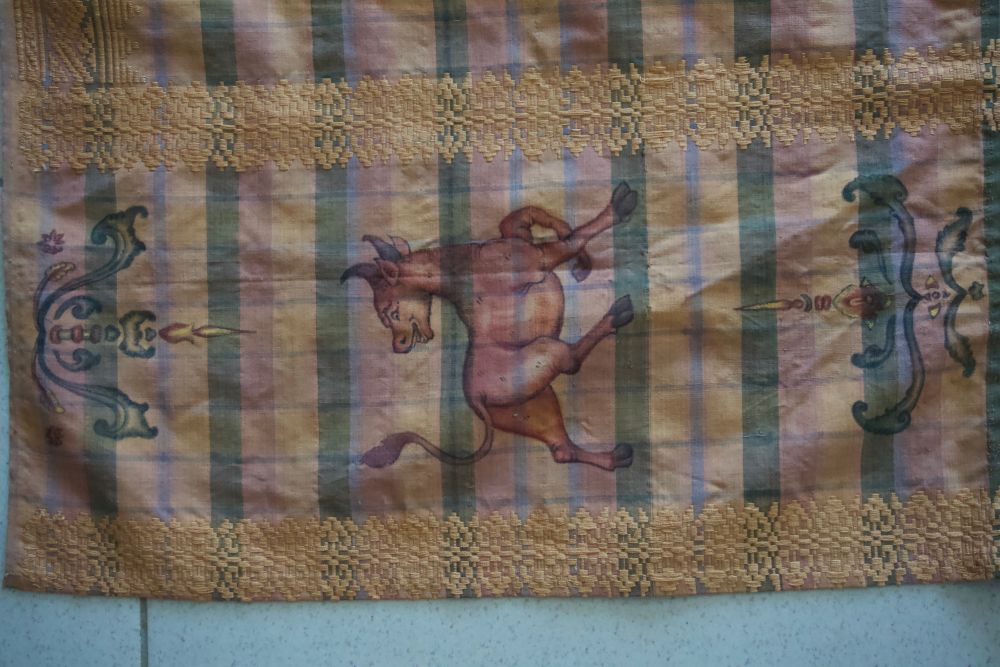
Reviving Bali's Ancient Coconut Oil Heritage
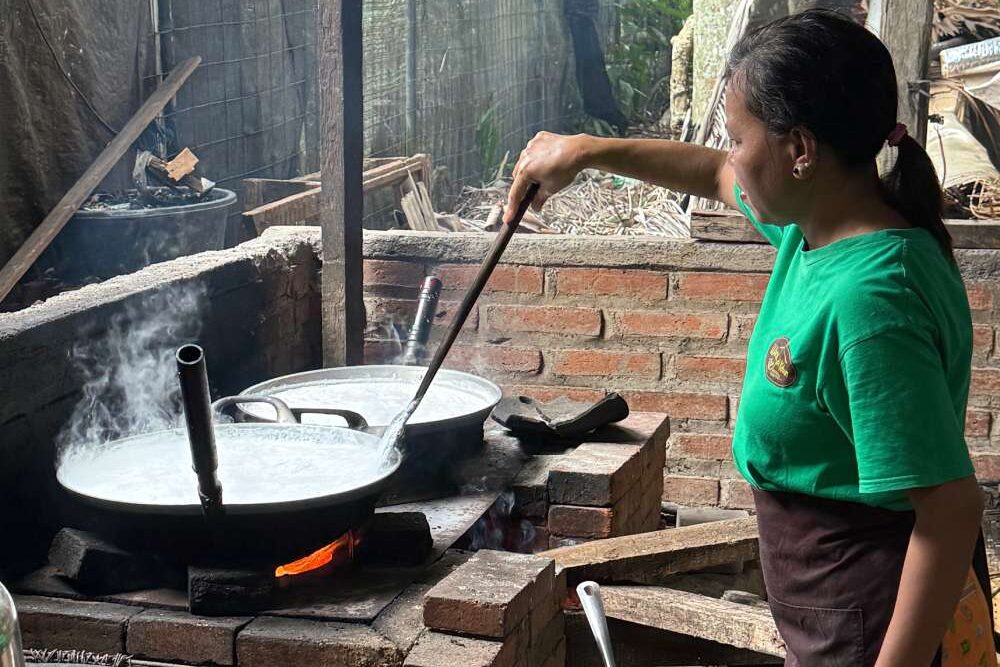
Reviving Bali's Ancient Coconut Oil Heritage at Warung di Kebun
In the heart of Denpasar, a small warung is quietly preserving one of Bali's most overlooked culinary traditions: the production and use of homemade coconut oil and its byproducts. At Warung di Kebun, founder Made Yudha Wiradhi is on a mission to resurrect forgotten flavours that risk disappearing as industrialisation transforms Indonesia's food landscape.
Original source: NOW! Bali
The Coconut's 3,000-Year Journey to Balinese Kitchens
The coconut tree holds a sacred place in Southeast Asian history. Historians trace the species back thousands of years to early Austronesian seafarers, who distributed it throughout the archipelago and beyond. Maritime Southeast Asia became the original centre of coconut cultivation, creating a deep cultural bond between the plant and the region's diverse populations.
In Bali specifically, coconut oil has been the backbone of authentic local cuisine for millennia. Experts consistently emphasise that "the best Balinese food is always cooked with homemade coconut oil"—a principle that reflects not just taste, but cultural identity and food sovereignty.
The traditional production method uses a zero-waste approach so valued that Slow Food has listed small-scale Balinese coconut oil production in its prestigious 'Ark of Taste,' recognising it as an integral piece of endangered food heritage.
Two Forgotten Ingredients: Nandusin and Tlengis
Made Yudha Wiradhi's journey began with a simple problem. After relocating from his native village of Negara to Denpasar, he discovered that two essential ingredients for his hometown's beloved lontong serapah dish had become nearly impossible to find in the city.
These ingredients represent the often-overlooked byproducts of traditional coconut oil production:
- Tlengis (also known as blondo, galendo, or tahi minyak in other regions): the semi-solid residue left behind after extracting oil from grated coconut
- Nandusin: another traditional coconut-derived ingredient integral to Balinese cooking
Rather than waste, these residues represent culinary gold—packed with flavour and nutritional value when produced through traditional methods. Yet industrial oil production has rendered them economically invisible.
Industrialisation's Threat to Food Heritage
Over the past century, large-scale seed oil industries across Indonesia have fundamentally transformed local food systems. Cheaper, factory-made alternatives have steadily replaced natural, locally-available fats, creating what experts describe as a slow erosion of food sovereignty and cultural security.
The growth of industrialised oil production is threatening to alienate Balinese communities from their heritage, their traditional knowledge, and ultimately, their food security.
As globalisation accelerates, ingredients like tlengis and nandusin slip "unnoticed through the cracks in the process of development"—disappearing before most people recognise what's being lost.
Warung di Kebun: Preservation Through Practice
By serving traditional dishes prepared with heritage ingredients at his warung, Made Yudha Wiradhi isn't simply running a restaurant. He's actively preserving culinary knowledge, supporting small-scale producers, and demonstrating that Balinese food heritage remains relevant and delicious.
The warung represents a quiet but powerful resistance to food homogenisation—proof that reviving forgotten flavours is possible when someone cares enough to search them out and cook them with intention.
Source: NOW Bali