Bali's Canang Sari: A Guide to the Island's Sacred Daily Ritual
Understanding Canang Sari: Bali's Daily Spiritual Offering
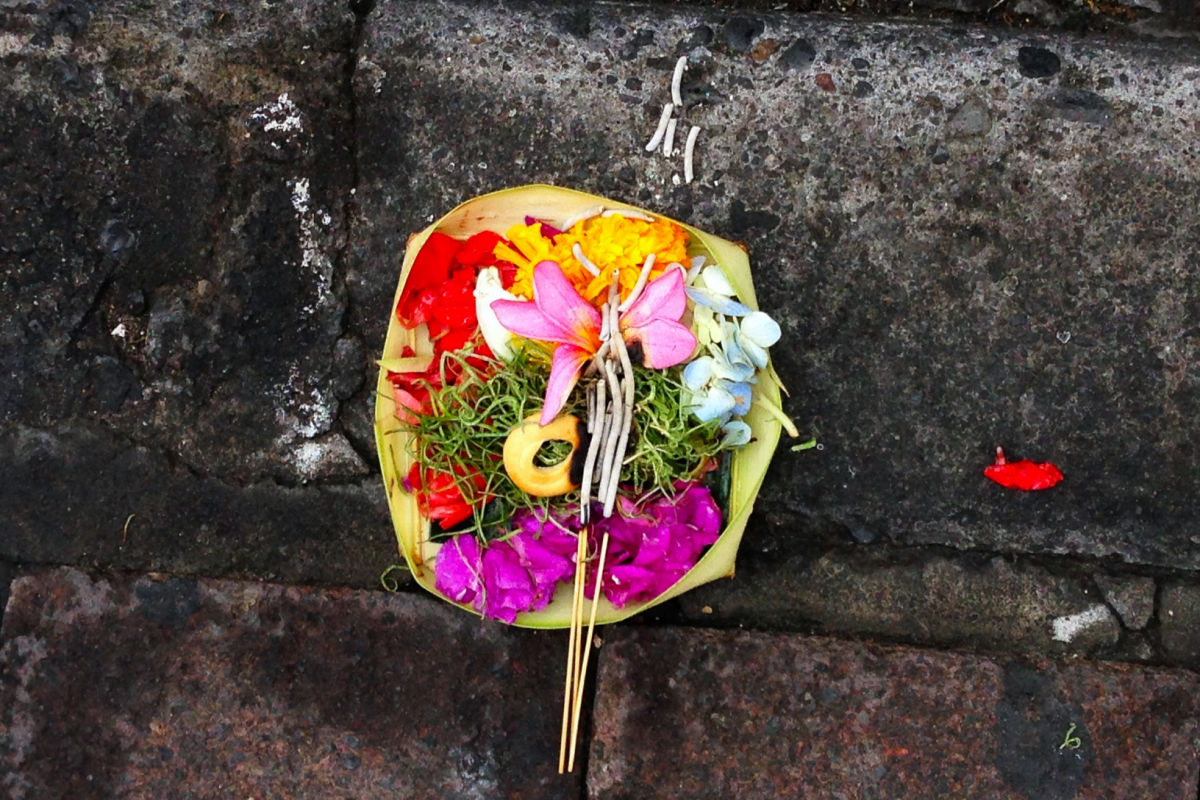
Walking through the streets of Bali, visitors are immediately struck by small, intricately woven palm leaf baskets filled with colorful flowers, rice, and incense. These are canang sari—daily offerings that form one of the most visible and spiritually significant practices in Balinese Hindu culture. For first-time tourists, these delicate creations represent far more than mere decoration; they embody the island's deep spiritual devotion woven into the fabric of everyday life.
A Sacred Practice Rooted in Daily Devotion
Canang sari are placed throughout Bali with remarkable consistency—on temple steps, in front of homes, at business entrances, and alongside roadways. Balinese Hindus create and present these offerings daily as part of their spiritual obligations, a practice that has continued for centuries and remains unbroken in contemporary Bali.
The ritual reflects the Balinese philosophy of maintaining harmony between the physical and spiritual worlds. By presenting canang sari, devotees express gratitude to the gods and seek blessings for their families and communities. The act is not merely religious obligation but a meditation—a moment of intentional spiritual connection woven into the morning routine.
What Goes Into a Canang Sari?
Each offering is crafted with careful attention to detail. The base consists of a woven square made from young coconut palm leaves, typically measuring just a few inches across. Inside, creators arrange:
- Colorful flowers—often frangipani, chrysanthemums, or marigolds
- Uncooked rice, symbolizing sustenance and prosperity
- Coconut shavings and betel leaves
- Incense sticks for spiritual purification
The specific arrangement and contents can vary by region and family tradition, adding unique character to each offering. Despite their beauty, canang sari are temporary—they are meant to be received by the spiritual realm and left to return naturally to the earth, typically by the end of the day.
Why Tourists Should Pay Attention
Canang sari offer visitors a window into authentic Balinese spirituality that cannot be replicated in staged cultural performances. Watching locals prepare these offerings—often in the early morning hours—reveals the genuine devotion that underpins daily life on the island.
For tourists seeking deeper cultural understanding, observing canang sari placements across different locations tells a story about community priorities. The concentration of offerings at temples, family compounds, and business establishments demonstrates how Balinese people integrate spirituality into commerce, family life, and public spaces in ways that challenge Western distinctions between "sacred" and "secular."
Respectful Engagement for Visitors
While tourists should feel welcome to observe and photograph canang sari, respecting their spiritual significance is essential. Visitors should avoid stepping on offerings and refrain from removing them. Many shops in tourist areas now sell canang sari for visitors interested in learning to create them—a respectful way to participate in the tradition.
The humble canang sari represents perhaps the most accessible entry point for understanding how Balinese Hindu culture maintains its vitality in modern times, making it an unmissable aspect of any visit to the island.
Originally published by The Bali Sun, April 15, 2026
Source: The Bali Sun