Bali's Digital Nomad Boom: Modern Lotus-Eaters Seek Paradise
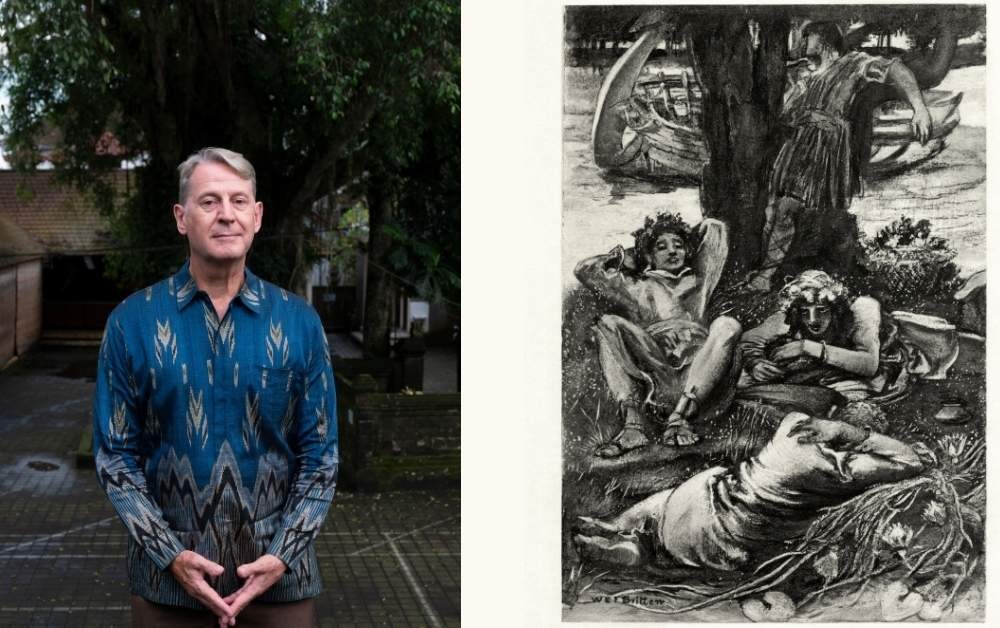
Modern 'Lotus-Eaters': How Bali Became a Digital Nomad Paradise
From Homer's ancient tales to today's Instagram-filtered reality, Bali has become the ultimate destination for those seeking escape from the demands of traditional work life. But as NOW! Bali explores in a recent opinion piece, the island's transformation into a haven for digital nomads and remote workers mirrors an age-old myth about the dangers of paradise.
The Mythological Parallel
In Homer's Odyssey, the hero's men encounter the "lotophages"—lotus-eaters—on a mysterious island, becoming so entranced by the plant's effects that they lose all motivation to continue their journey home. Centuries later, poet Alfred Tennyson romanticized this tale, embedding the image of carefree island living into Western consciousness.
Today, Bali plays the role that Tahiti and the Maldives once did: the ultimate lotus-eating destination. But the modern version looks strikingly different from what brochures promise.
Where the Modern Paradise Actually Exists
While traditional tourist imagery focuses on waving palms and sun-drenched beaches—increasingly found only in Bali's north and west—the real contemporary "lotus-eaters" inhabit a different landscape entirely. They're clustered in Canggu's luxury beach clubs, high-end cafes, and infinity-pool villas, creating an ecosystem far removed from traditional Balinese culture.
"The modern-day Odysseus is a high-powered executive or tech start-up, who pursues his Troy (cash out for $10m after 5 years) then seeks the perfect escape, ending up in Bali."
The Digital Nomad Exodus
These modern wanderers typically follow a predictable pattern: accumulate wealth through ambitious business ventures, attempt brief escapes to fashionable destinations like Marrakesh or Kathmandu, then settle in Bali's southern zones. Here they maintain the facade of productivity through gym sessions and co-working spaces while primarily occupying themselves with beach clubs and restaurants—"keeping only one eye on the visa deadline."
A Generational Divide in Values
What's particularly striking about this phenomenon is the philosophical chasm it reveals. Older generations, accustomed to deriving satisfaction from office camaraderie, face-to-face meetings, and post-work relaxation, struggle to understand the appeal of perpetual leisure. The digital nomad lifestyle—working from anywhere, socializing constantly, freed from traditional office structures—represents nearly the complete opposite of conventional career satisfaction.
Unlike Odysseus, who desperately wanted to return home, many modern arrivals to Bali actively resist the idea of departure. The lotus-eating metaphor proves apt: once ensconced in the island's comfortable lifestyle, the motivation to leave—or to maintain meaningful productivity—evaporates.
The Unspoken Costs
This influx has fundamentally altered Bali's landscape and culture. The proliferation of Western-style luxury accommodations, upscale dining establishments, and digital infrastructure has created a parallel economy that often operates independently of traditional Balinese society. Meanwhile, environmental pressures mount as resources strain under tourist demand.
The lotus-eater narrative ultimately raises uncomfortable questions: Is the island's transformation into a digital nomad paradise sustainable? Are these modern wanderers genuinely escaping something meaningful, or simply drifting into the same "sweet, care-free dreams" that trapped Odysseus's men? And perhaps most importantly for Bali itself—what happens when the entire island becomes a escape destination rather than a destination itself?
Originally published in NOW! Bali
Source: NOW Bali