Bali LRT Project Fast-Tracked to Ease Island's Traffic Crisis
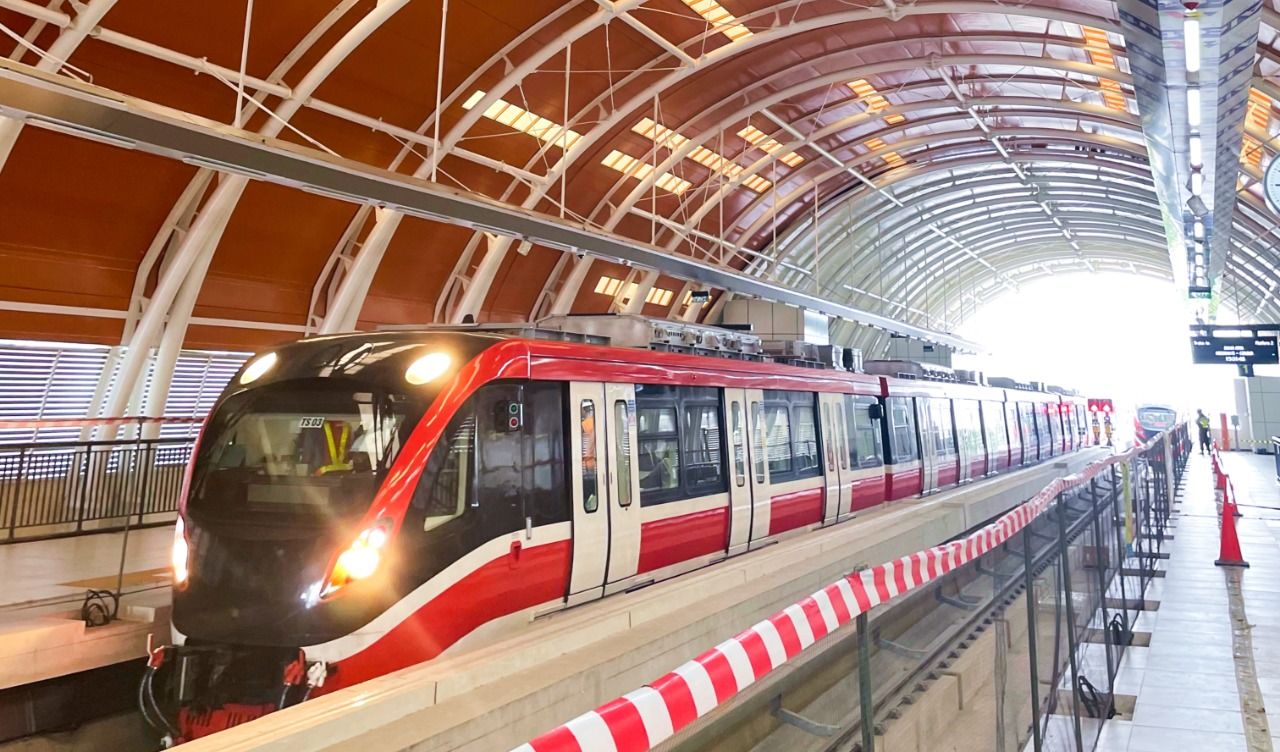
Indonesia's Transportation Ministry Fast-Tracks Bali LRT Project to Tackle Island's Worsening Traffic Crisis
Indonesia's Minister of Transportation Budi Karya Sumadi has signaled serious momentum behind a long-proposed Light Rail Transit system for Bali, framing the project as essential infrastructure to prevent the island's traffic congestion from damaging its reputation as a world-class tourism destination.
The announcement comes as Bali grapples with increasingly severe gridlock that has become a defining challenge for the island, which welcomes millions of international visitors annually. With motorcycles and private vehicles dominating Bali's roads, congestion has created a vicious cycle of pollution and safety hazards that threatens the island's appeal.
A Three-Year Timeline for Phase 1
The Bali LRT project is now moving from proposal stage to active development, with Phase 1 construction expected to commence in 2024. This first phase will cover 5.3 kilometers, connecting I Gusti Ngurah Rai Airport directly to Seminyak via Central Parkir Kuta—a strategically crucial corridor linking the island's primary international entry point to one of its most visited beach destinations.
The project will take approximately three years to complete, meaning the first LRT passengers could travel the airport-to-Seminyak route by 2027, assuming no major delays.
"Bali is an international tourism showcase, and there is indeed chronic traffic congestion that could backfire if we don't address it," Budi Karya said in his statement announcing the initiative.
Funding Structure and Provincial Leadership
The Balinese Provincial Government is taking the lead role with a 51 percent financial stake in the LRT development, while the central government is contributing the remaining 49 percent. This funding arrangement reflects Jakarta's recognition that Bali's traffic crisis has national significance, given the island's outsized importance to Indonesia's tourism economy.
The partnership structure also underscores how Bali's provincial authorities have positioned themselves as active stakeholders rather than passive recipients of national infrastructure initiatives.
Broader Vision for Sustainable Transportation
Phase 2 of the project will extend the LRT line from Seminyak to Mengwitani, further expanding the system's reach across the island's key population and tourism centers. Together, these phases represent part of Bali's longer-term strategy to build an integrated public transportation network.
The LRT initiative directly addresses several interconnected challenges facing Bali:
- Traffic congestion: Reducing reliance on private vehicles and motorcycles, which currently dominate island roads
- Environmental degradation: Lowering air pollution caused by vehicle emissions
- Public safety: Decreasing road accidents, a major health burden on the island
- Urban sustainability: Creating infrastructure that supports long-term growth without compromising livability
Looking Ahead
While the transportation ministry's backing provides significant momentum, successful delivery will depend on securing financing, land acquisition, and maintaining construction schedules—challenges that have delayed similar projects across Indonesia. Still, with the central government now publicly committed and a clear timeline announced, the Bali LRT appears to have moved beyond speculation into genuine project territory.
For Bali's residents and visitors, the prospect of fast, reliable rail transit connecting the airport to major tourism zones represents a meaningful step toward making the island's transportation system match its world-class reputation.
Originally reported by Coconuts Bali
Source: Coconuts Bali