Bali's Kerobokan Prison Relocates Away From Tourist Areas
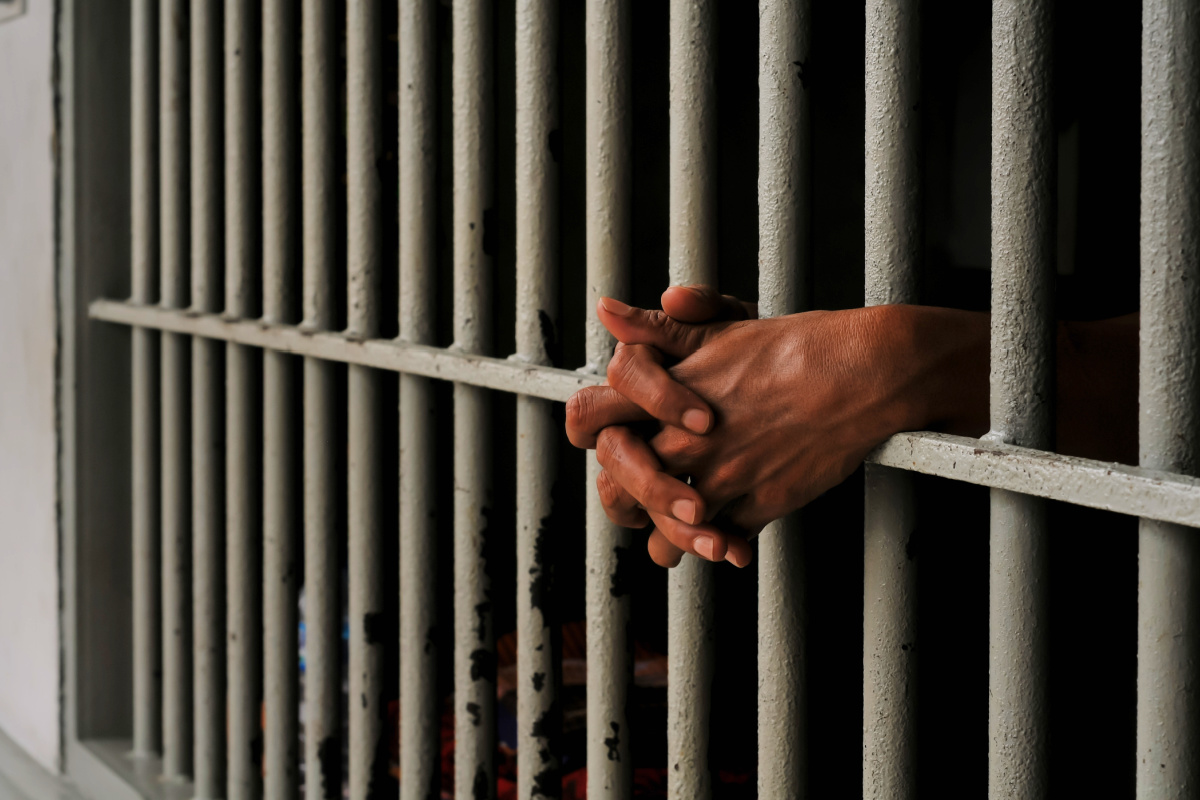
Bali's Infamous Kerobokan Prison Set for Major Relocation
Bali's most notorious correctional facility is finally moving. Kerobokan Penitentiary, long a fixture in the heart of Badung Regency just minutes from upscale beachfront hotels and tourist dining establishments, will be relocated to the remote Jembrana Regency in western Bali as part of a comprehensive infrastructure overhaul.
The long-anticipated project gained momentum this month with field inspections of the proposed new site in Melaya District, marking a significant step forward in one of Bali's most complex urban planning challenges.
From Tourist Zone to Remote Location
For decades, Kerobokan Prison has occupied prime real estate in Bali's tourism corridor—an awkward reality for a destination that markets itself as a paradise retreat. The facility houses some of Indonesia's most dangerous and high-profile criminals, yet operates far beyond its capacity in dangerously overcrowded conditions. Its proximity to luxury resorts and restaurants has created an uncomfortable juxtaposition that provincial authorities have sought to resolve.
The new prison complex will be constructed on approximately 11 hectares of land along the Denpasar-Gilimanuk road, positioning it strategically along major interprovincial routes while removing it from tourist zones. The location offers practical advantages: strong connectivity to Denpasar City and direct transportation links to East Java.
Dual Facility Development Plan
The relocation project extends beyond merely relocating Kerobokan. The Bali Provincial Government is simultaneously developing a separate detention center in Mengwi, Badung Regency, spanning 4 hectares. This dual-facility approach reflects Jakarta's broader strategy to modernize Indonesia's correctional infrastructure.
"According to the information we received, the planned land area is 11 hectares, located along the Denpasar-Gilimanuk road. The initial information was 10 hectares, but there's a possibility of an additional hectare," said I Gusti Agus Putra Mahendra, Head of the Class II-B Negara Detention Center, following recent inspections.
Technical Distinctions and Practical Challenges
Prison officials emphasized that the new Jembrana facility and the Mengwi detention center serve different functions within Indonesia's correctional system and will not cannibalize resources from existing institutions. This distinction matters: detention centers typically house individuals awaiting trial, while penitentiaries incarcerate convicted prisoners serving longer sentences.
Relocating Kerobokan presents extraordinary logistical challenges. The facility must remain operational while transferring hundreds of inmates and administrative staff to a location 60+ kilometers away. Building an entirely new complex from scratch requires substantial investment, environmental assessments, and coordination between multiple government agencies.
Tourism and Urban Planning Implications
The relocation reflects broader tensions in Bali's development. As tourism has intensified, the province has struggled to integrate essential but undesirable infrastructure—prisons, waste facilities, industrial zones—with resort development. Removing Kerobokan from Badung Regency eliminates a security concern and reputational liability for the tourism industry while pushing corrections infrastructure to the periphery.
For Jembrana Regency, the development represents significant government investment and potential employment opportunities, though local communities may have mixed reactions to hosting a major prison complex.
Source: The Bali Sun
Source: The Bali Sun