Bali Deploys Police to Combat Landfill Crisis
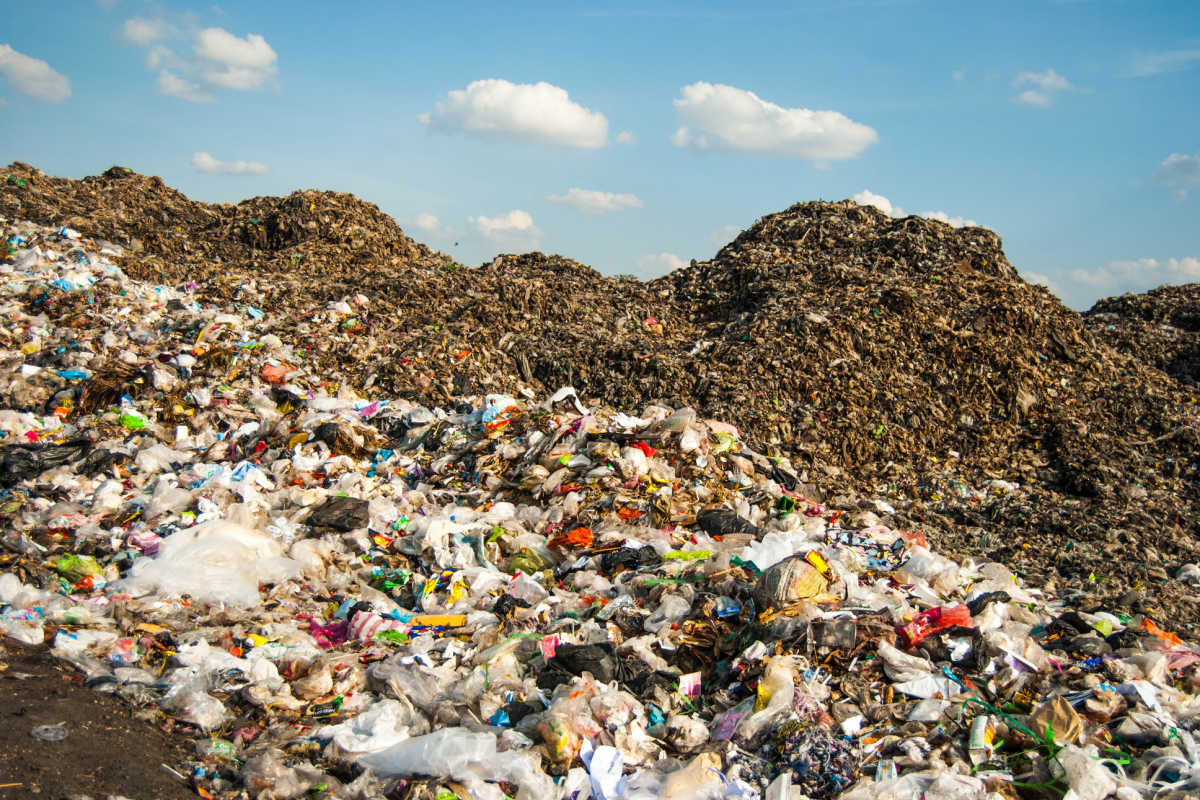
Police Deploy to Suwung Landfill as Bali Tightens Waste Management
Bali has stationed police at the island's largest open landfill following new operational restrictions that took effect on April 1, 2026. The move reflects the regional government's intensified effort to address decades-long waste management challenges that have long frustrated residents and tarnished the island's international reputation.
The Suwung TPA landfill, located just outside Denpasar and visible from Ngurah Rai International Airport, will no longer accept mixed waste. All households, businesses, and communities must now sort organic and non-organic waste at source before delivery to the facility.
A Crisis Ten Years in the Making
The Suwung landfill has been a persistent problem for Bali's tourism-dependent economy. Rising 10 storeys high and covering 32 hectares, the site represents a visible environmental crisis that has become one of the first concerns tourists mention when discussing the island's infrastructure challenges.
Multiple closure attempts have failed over the past decade. The Bali Provincial Government initially targeted closure ahead of the 2022 G20 Summit, then set a December 28, 2025 deadline that was missed. The August 1, 2026 permanent closure date now appears imminent, though skepticism remains warranted given previous failures.
"The Bali Provincial Government is accelerating the strengthening of the source-based waste management system as a follow-up to the direction of the Minister of Environment regarding the operational adjustments of the Suwung Landfill," said I Made Dwi Arbani, Head of the Bali Forestry and Environment Agency.
Why This Matters for Tourists and Local Communities
Waste management directly affects Bali's appeal to international visitors, who contribute substantially to the island's tax revenue and economy. Poor waste handling creates environmental damage through methane gas emissions, leachate pollution, and widespread odors—visible reminders of unsustainable development.
The new source-separation mandate addresses a core problem: organic waste has dominated the landfill, producing flammable methane gas and accelerating decomposition that contaminates groundwater and surrounding areas. By separating organic from non-organic waste at the source, the provincial government aims to reduce these environmental hazards.
What Comes Next
The police deployment signals serious enforcement intent, though questions remain about implementation capacity and community compliance. Bali residents and businesses now face requirements to properly sort waste—a behavioral shift that requires education and infrastructure support.
The August 1 permanent closure deadline suggests the government is committing significant resources to alternative waste management solutions. Success will depend on whether satellite treatment facilities and decentralized systems can handle Bali's estimated 3,600 tons of daily waste generation—a figure that continues rising with tourism growth.
For visitors, the news represents an acknowledgment that Bali's tourism industry must become more sustainable. Whether this latest closure attempt succeeds where others have failed will be a crucial test of the provincial government's environmental resolve.
Originally reported by The Bali Sun
Source: The Bali Sun