Bali Closes Major Landfill in Push Against Pollution Crisis
Bali's Critical Waste Crisis: Landfill Closure Triggers Urgent Environmental Action
Bali is facing a pivotal moment in its ongoing battle against pollution as authorities implement the latest phase of closing the island's largest waste disposal facility. The Suwung TPA landfill, which has operated as an open dumping ground for decades, stopped accepting organic waste on April 1, 2026—marking a significant milestone in a closure process that has taken years to achieve.
Originally published in The Bali Sun, this development reflects mounting pressure to address waste management challenges that have plagued the island and threatened both its delicate ecosystems and tourism industry.
Major Reduction in Landfill Traffic, But Concerns Remain
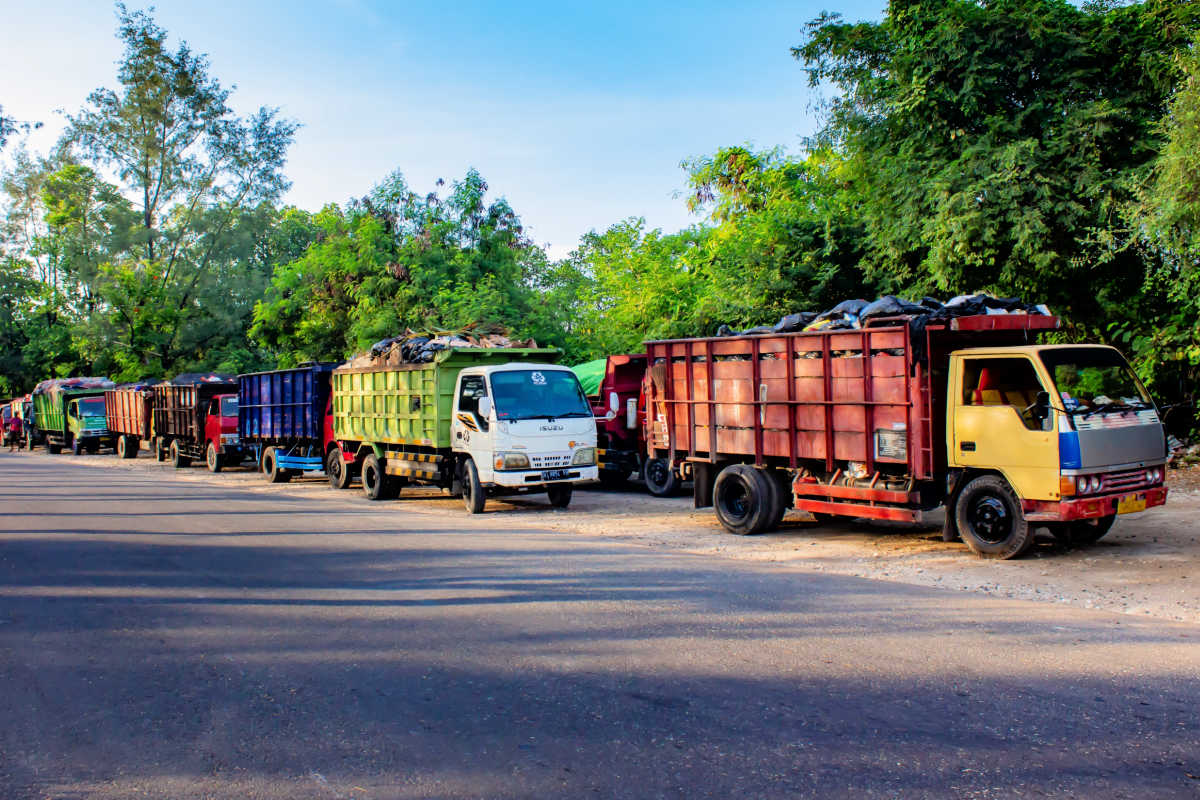
According to Bali Governor Wayan Koster, the initial results are encouraging. The volume of waste trucks arriving at Suwung TPA has dropped by more than 50 percent since the organic waste ban took effect—declining from over 500 trucks daily to significantly lower numbers.
"The Mayor and Regent of Badung, along with me, have observed that residual waste transport is progressing very well. There has been remarkable progress in just one week," Governor Koster stated in remarks from Denpasar.
The governor noted that while initial confusion caused some trucks to be turned away, operations have since stabilized, indicating that waste management systems across the island are adapting to the new requirements.
The Dark Side: Illegal Dumping and Environmental Threats
However, the closure's unintended consequences are already emerging. Within just one week, authorities have documented a concerning surge in illegal waste burning and unauthorized dumping into rivers and waterways across Bali. These practices pose immediate threats to the island's water quality, agricultural lands, and marine ecosystems.
The illegal dumping represents a critical challenge to the landfill closure strategy. Without proper alternative waste management infrastructure and strict enforcement, the organic waste ban risks simply displacing the problem rather than solving it.
Years in the Making: A Long-Overdue Closure
The Suwung TPA's closure represents the culmination of efforts dating back to 2022, when authorities first identified the facility as a major biohazard threatening public health and ecological integrity. The landfill has been blamed for contaminating groundwater, releasing methane emissions, and creating hazardous conditions for residents in surrounding areas.
Previous closure attempts, including one that faltered in December 2025, underscore the complexity of shutting down infrastructure that has served the island for decades without adequate replacement systems in place.
The Path Forward Requires Collective Action
Closing Bali's largest landfill while managing waste for millions of residents and millions of annual tourists requires a comprehensive approach. Success depends on multiple factors working in concert: investment in alternative waste processing facilities, public education campaigns, enforcement of anti-dumping laws, and cooperation from tourism businesses and visitors.
For Bali to truly resolve its waste crisis, authorities must rapidly develop and implement proper waste-to-energy facilities, composting centers, and recycling programs. Without these alternatives, the organic waste ban may simply shift pollution from one location to another—undermining the environmental goals the closure was designed to achieve.
The coming months will be critical in determining whether Bali's ambitious landfill closure succeeds in protecting the island's culture and ecosystems, or whether the hasty implementation creates new environmental emergencies.
Source: The Bali Sun