Bali's Spectacular Ogoh-Ogoh Parades: A Cultural Must-See
Bali's Spectacular Ogoh-Ogoh Parades: A Cultural Spectacle Not to Miss
With Nyepi Day approaching on March 19th, Bali is preparing for one of its most visually stunning and culturally significant celebrations of the year. The Ogoh-Ogoh parades, held on the evening before Nyepi, transform villages across the island into explosive displays of light, sound, and artistry—a dramatic counterpoint to the Day of Silence that follows.
Unlike the serene 24-hour lockdown of Nyepi itself, when the island comes to a complete halt from 6 am to 6 am the following day, the night of March 18th sees Bali erupt in vibrant celebration. Gamelan orchestras blare through streets, bonfires light up the darkness, and enormous handcrafted effigies parade through every village—a cathartic release before the island's most sacred day of reflection.
Massive Community Art Projects Come to Life
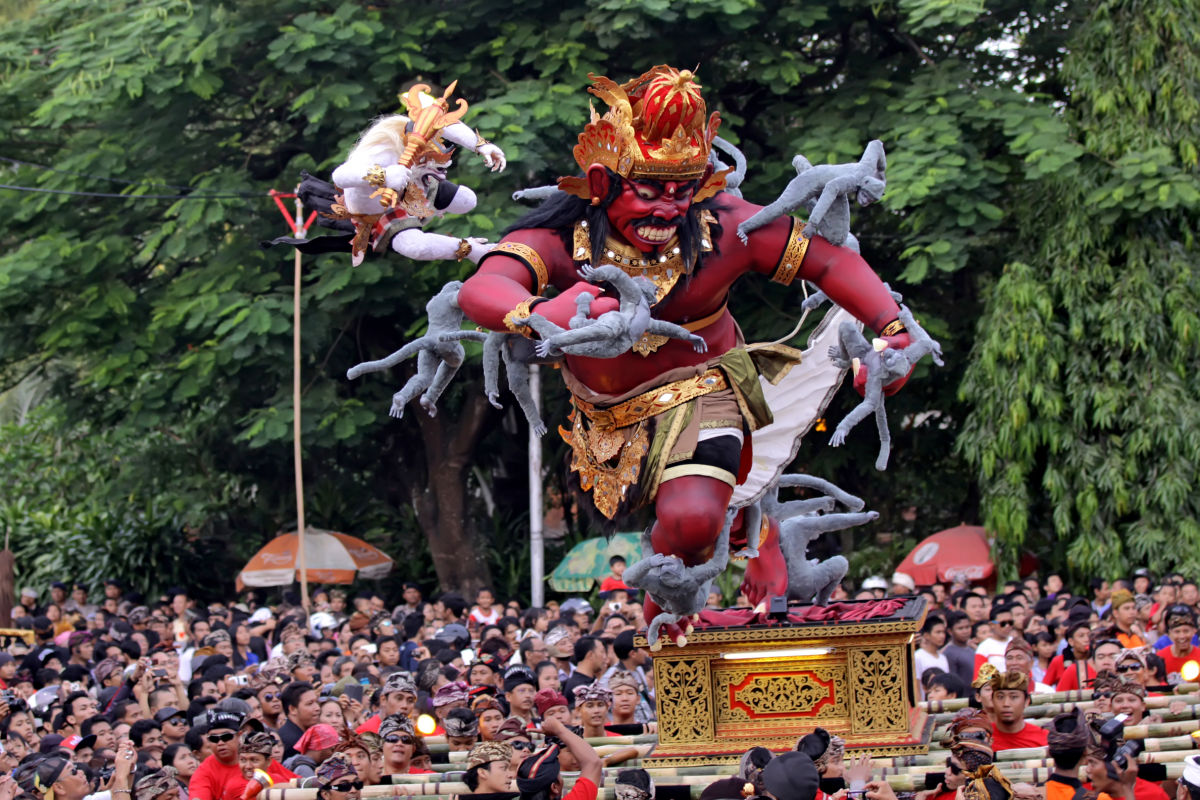
The Ogoh-Ogoh themselves are extraordinary examples of traditional Balinese craftsmanship. These grotesque, towering statues—depicting fearsome demons and mythological creatures—are entirely handmade by each village's young men over the course of several months. Some stand so tall and heavy that they require up to 30 people to carry them through crowded streets.
The creation process is a genuine community effort. Villages pool resources through collective donations, local businesses contribute materials, and in areas with significant tourist accommodation, visitors often donate funds as well. Smaller versions crafted by children and teenagers precede the main effigies, creating a progression of increasingly elaborate displays.
"The Ogoh-Ogoh are seriously big, sometimes taking groups of up to 30 men to carry through the streets. In many villages, the young children and then the groups of teenagers will make smaller Ogoh-Ogoh that are also paraded through the streets ahead of the main statue."
Practical Information for Visitors
Parades typically commence around nightfall, with road closures beginning at 4 pm on March 18th. Most celebrations conclude by 11 pm, as participants traditionally walk home to be in their compounds before Nyepi begins—a custom that reflects the spiritual nature of the observance.
Travelers planning to witness the parades should position themselves at their nearest village event well in advance. Once road closures take effect and crowds gather, movement becomes increasingly difficult. Visitors are welcome to photograph and observe the ceremonies, though it's advisable to arrive early and respect designated viewing areas.
Why This Celebration Matters
The Ogoh-Ogoh parades serve a deeper spiritual purpose beyond mere entertainment. In Balinese Hindu tradition, the fearsome effigies symbolize evil spirits and negative forces. By parading them through the streets with fanfare and commotion, the community symbolically expels these negative energies from the island before the sacred silence of Nyepi Day begins.
For international visitors, experiencing the Ogoh-Ogoh parades offers genuine insight into how Balinese communities maintain their cultural identity and spiritual practices. It's a rare opportunity to witness living tradition—not a performance staged for tourists, but an authentic celebration where locals and visitors genuinely share space and experience.
Originally reported by The Bali Sun
```Source: The Bali Sun