Bali Infrastructure Overhaul to Improve Tourism Navigation
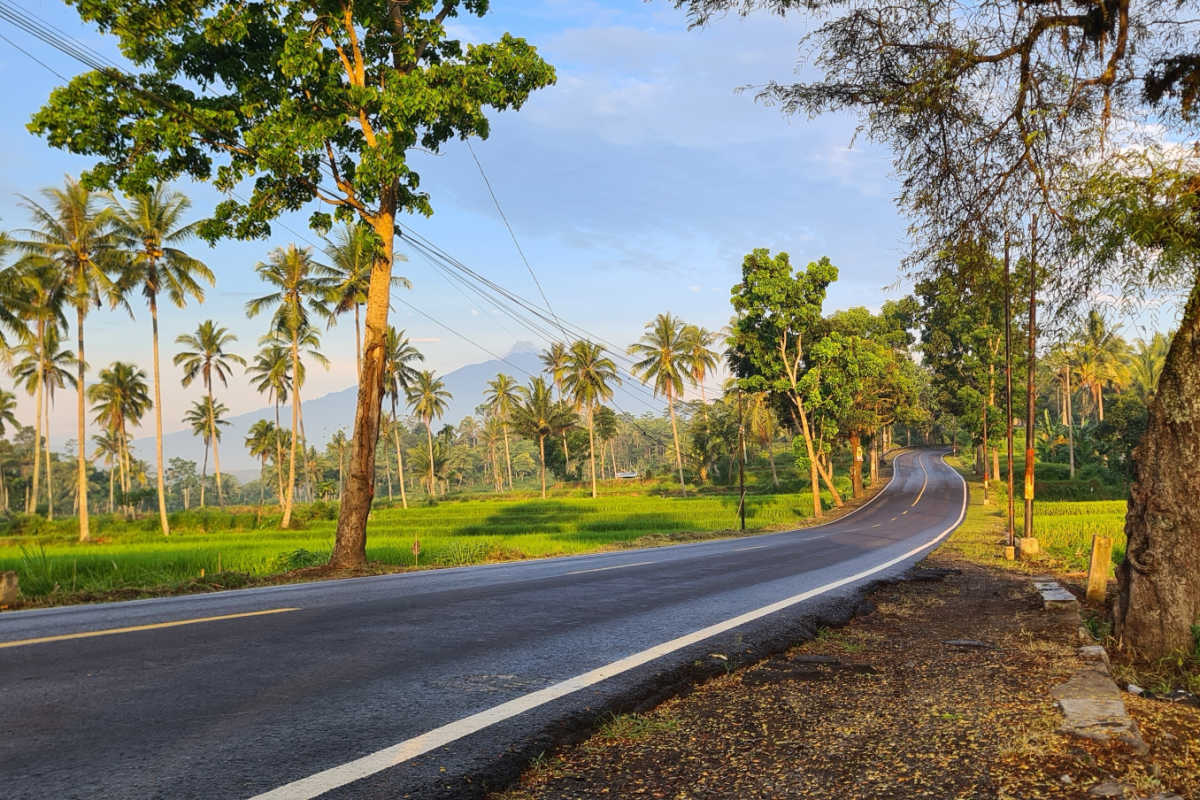
Bali Launches Major Infrastructure Overhaul to Ease Tourism Navigation
Bali is poised for a significant infrastructure transformation as the provincial government embarks on an ambitious development plan designed to alleviate chronic traffic congestion and improve access to the island's most popular destinations. The initiative, backed by over IDR 1.5 trillion in funding from national and regional budgets, represents a comprehensive effort to modernize land, sea, and air connectivity across the province.
Governor Wayan Koster, now in his second term, has made infrastructure improvement a cornerstone of his administration's agenda. The projects are scheduled to commence in 2026, with completion timelines set to ensure tangible benefits reach residents and visitors alike in the coming years.
Strategic Projects Targeting Tourism Bottlenecks
The investment portfolio addresses some of Bali's most pressing transportation challenges through targeted developments in high-traffic areas and remote regions alike.
A IDR 250 billion allocation will fund a new parking building at Ulun Danu Batur Temple, addressing accessibility issues in the culturally significant Kintamani area. This development aims to streamline visitor flow to one of Bali's most iconic religious sites while supporting local tourism infrastructure.
The Jimbaran Underpass project, budgeted at IDR 350 billion, represents a direct response to persistent traffic gridlock affecting the southern peninsula. The bottleneck connecting Kuta, Jimbaran, and access routes to Bukit has long frustrated both tourists and residents. The underpass is expected to substantially reduce congestion in this economically vital corridor.
"All these projects are planned to begin in 2026 and are expected to be completed on schedule so that the benefits can be directly felt by the people of Bali," Governor Koster stated.
Connecting the Islands
Beyond the main island, a IDR 112 billion investment will construct a bridge connecting Nusa Ceningan and Nusa Lembongan. This development marks a major step toward integrating the outlying islands into Bali's wider transportation network, promising economic benefits for local communities and enhanced accessibility for tourists exploring these increasingly popular destinations.
Infrastructure Development Comes With Trade-Offs
While the long-term vision positions Bali to support tourism and economic growth for the next century, provincial officials acknowledge that construction periods will likely intensify short-term traffic disruptions. The scale and coordination of these simultaneous projects present logistical challenges that residents should anticipate.
The infrastructure overhaul reflects broader recognition that Bali's current systems are strained beyond capacity. Annual tourist arrivals continue climbing, while the island's transportation network has struggled to keep pace with demand, affecting both visitor experience and quality of life for locals.
A Blueprint for Sustainable Growth
The comprehensive approach—incorporating roads, bridges, parking facilities, and port improvements—demonstrates strategic planning aimed at distributing tourist flows more evenly across regions. By improving connectivity to secondary destinations like Kintamani and the Nusa Islands, planners hope to relieve pressure on overcrowded areas like Seminyak and Canggu.
Success of these projects will be closely watched as a test case for managing tourism infrastructure in rapidly developing destinations, particularly relevant for other Indonesian provinces facing similar challenges.
Originally reported by The Bali Sun
Source: The Bali Sun