Bali's Traditional Cuisine: A Bridge to Island Culture
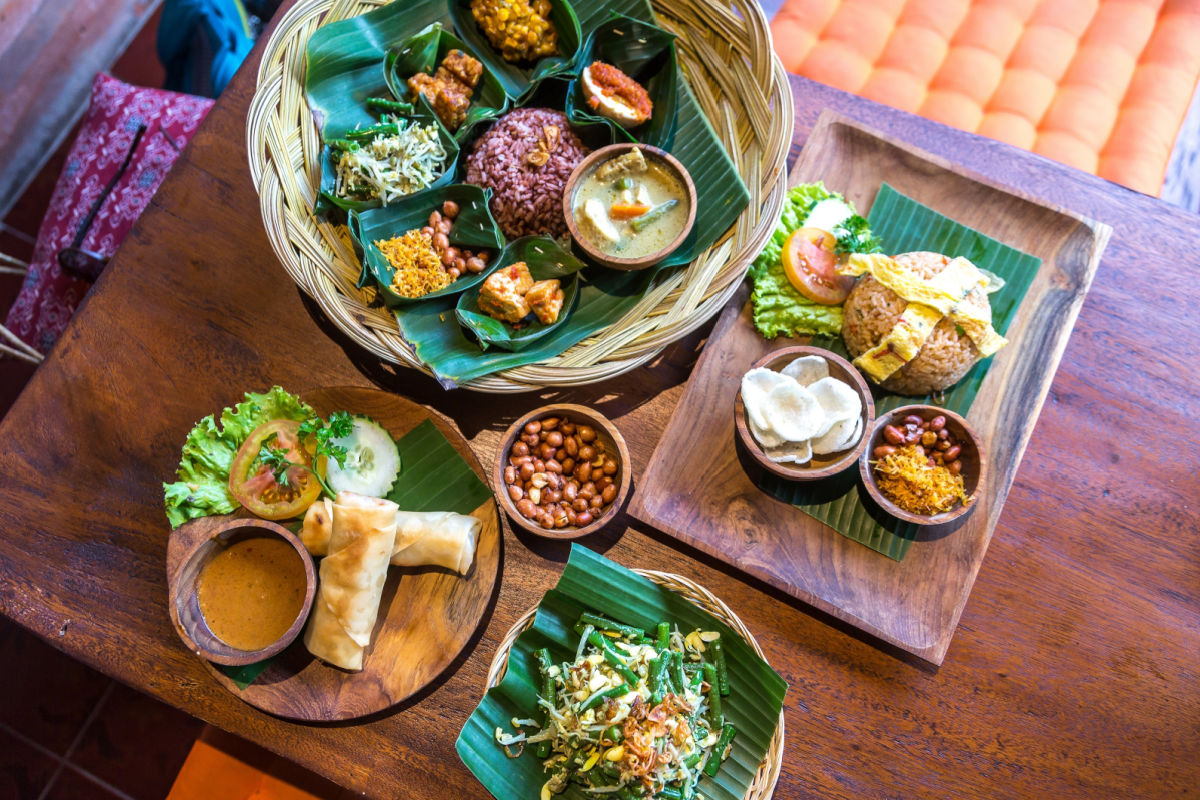
Culinary Tourism: How Bali's Food Scene Bridges Cultures
Bali's culinary landscape has become far more than just sustenance for visitors—it has evolved into a gateway for meaningful cultural engagement. According to reporting from The Bali Sun, traditional Balinese dishes are increasingly recognized as powerful tools for helping international tourists understand and connect with the island's rich heritage and way of life.
Indonesia's Diverse Food Heritage
As an archipelago spanning thousands of islands and countless ethnic groups, Indonesia boasts extraordinary culinary diversity that few destinations can match. This geographical and cultural complexity translates directly into Bali's dining experiences, where visitors encounter not just everyday staples but also ceremonial preparations and ingredients sourced from remote villages across the region.
The range extends from universally recognized dishes like nasi goreng and gado-gado—staples found in warungs (small restaurants) throughout the island—to specialized ceremonial foods prepared exclusively for religious occasions and family celebrations. This spectrum reflects centuries of cultural development, agricultural traditions, and spiritual practices unique to Balinese communities.
Food as Cultural Ambassador
Tourism experts increasingly recognize that food experiences create more authentic connections between visitors and local communities than conventional sightseeing alone. When tourists sit down to share a meal, they're not merely consuming calories; they're participating in a living cultural tradition that has defined Balinese identity for generations.
Bali's traditional dishes represent far more than ingredients and techniques—they embody stories of ancestry, agricultural cycles, spiritual beliefs, and social customs that define island life.
For visitors seeking deeper engagement with Indonesian culture, food-centered experiences offer tangible entry points. Learning to prepare a traditional Balinese dish, understanding the significance of specific ingredients, or dining in a family home provides insights that conventional tourism cannot replicate.
Economic and Social Impact
This culinary tourism trend carries significant implications for Bali's local economy and cultural preservation. As demand for authentic food experiences grows, small family-run restaurants, traditional farmers, and artisanal food producers gain economic incentives to maintain heritage practices. This creates a virtuous cycle where cultural preservation becomes economically viable rather than merely nostalgic.
Furthermore, when tourists demonstrate genuine interest in understanding the stories behind Balinese dishes—their ingredients, preparation methods, and cultural significance—local communities feel validated in maintaining these traditions rather than abandoning them in pursuit of globalized convenience.
Looking Forward
As Bali continues attracting visitors from around the world, the role of traditional cuisine in cultural tourism will likely expand. Tourism operators, restaurants, and community leaders recognize that food experiences differentiate Bali from countless other beach destinations competing for tourist dollars.
The message is clear: Bali's greatest competitive advantage isn't just its beaches and temples, but its ability to welcome visitors into living cultural traditions—one meal at a time.
Source: The Bali Sun