Bali's Digital Payment Revolution Makes Traveling Cashless
Bali's Digital Payment Revolution: QRIS System Transforms Tourist Spending
Travelers visiting Bali can now leave their wallets at home. A rapidly expanding digital payment system is eliminating the need for currency exchange and cash transactions across the island, marking a significant shift in how international visitors spend money during their stays.
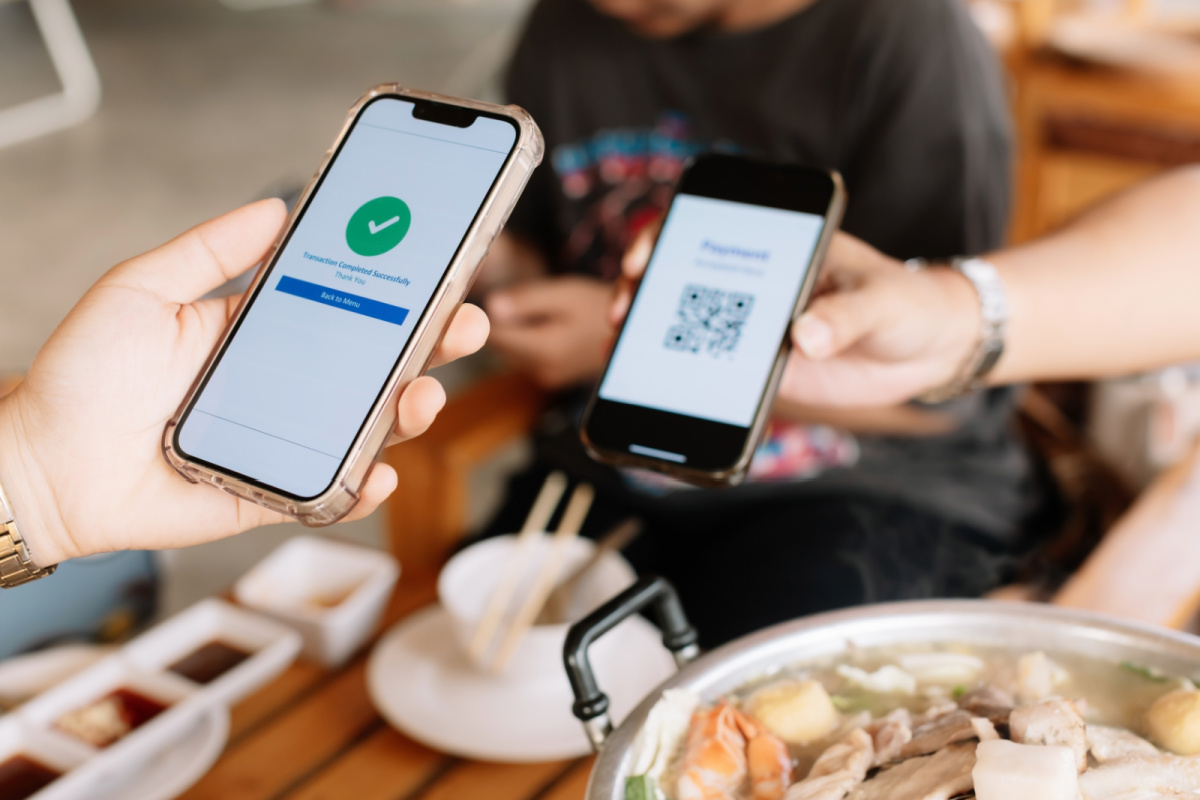
The QRIS system, a QR-code-based payment platform, allows tourists to pay using their home country's currency directly from their smartphones. Transactions are automatically converted to Indonesian rupiah and deposited into merchants' accounts—all with a simple scan.
Explosive Growth Among Southeast Asian Visitors
The adoption rate reveals how quickly the system is gaining traction. According to Erwin Soeriadimadja, head of Bank Indonesia's Bali office, cross-border QRIS transactions from Malaysia surged 196% year-on-year, while Thailand and Singapore saw increases of 183% and 156% respectively.
"Bank Indonesia continues to expand the use of QRIS Cross Border through collaboration with various transaction service providers in tourist areas, while service expansion is currently being tested in China and South Korea."
These figures suggest the system has moved beyond novelty to become a genuine payment preference among regional travelers—a critical market for Bali's tourism industry.
Convenience Reshaping Tourist Behavior
The practical benefits are straightforward: tourists no longer need to navigate currency exchanges, worry about carrying cash, or concern themselves with unfavorable exchange rates offered by street vendors and informal money changers. Hotels, restaurants, and souvenir shops increasingly accept QRIS payments, covering most tourist spending scenarios.
This shift is particularly significant for Bali's tourism model. Many international visitors arrive on organized tours with pre-booked accommodations and activities, rarely venturing into situations requiring cash. QRIS eliminates even those occasional moments when travelers might previously have needed rupiah.
Strategic Expansion and Market Competition
Bank Indonesia's expansion plans signal confidence in QRIS's potential. Testing in China and South Korea indicates the central bank sees opportunity to capture spending from Asia-Pacific's largest tourism markets. Currently, the system remains strongest among Southeast Asian travelers—Bali's most frequent regional visitors.
The strategic rollout also reflects broader Indonesian ambitions. As digital payments become standard globally, positioning Bali as a cashless-friendly destination enhances its competitive appeal against other tropical island destinations across Southeast Asia.
Looking Ahead
While exact 2025 transaction figures in the original source remain incomplete, the trajectory is clear: digital payments are becoming the default for Bali tourism. For merchants, the system reduces cash-handling risks and operational costs. For tourists, it simplifies the travel experience considerably.
As more payment service providers integrate QRIS across tourist zones, Bali is quietly becoming one of Southeast Asia's most digitally accessible destinations for international visitors.
Original source: The Bali Sun
Source: The Bali Sun