Ubud Monkey Forest Raises Entry Fees to Fund Conservation Efforts
Ubud Monkey Forest Raises Entry Fees in Move to Fund Conservation
Bali's most iconic wildlife attraction, the renowned Monkey Forest in Ubud, has announced a price increase for all visitors effective April 1st, 2026. The adjustment marks a significant step in the sanctuary's efforts to sustain its conservation mission while managing the site's growing visitor numbers.
New Pricing Structure
International tourists will now pay IDR 130,000 (approximately $8.50 USD) for adult entry and IDR 100,000 for children aged 3-12, with free admission for children under three. Indonesian nationals and KTP holders receive a reduced rate of IDR 90,000 for adults and IDR 60,000 for children.
Day passes provide full-day access to the forest sanctuary complex during operating hours from 9 am to 6 pm, with final entry at 5 pm. Multiple payment options are available, including QRIS, international credit cards (Visa, MasterCard, JCB, American Express, UnionPay), and cash at the gate.
Conservation at the Forefront
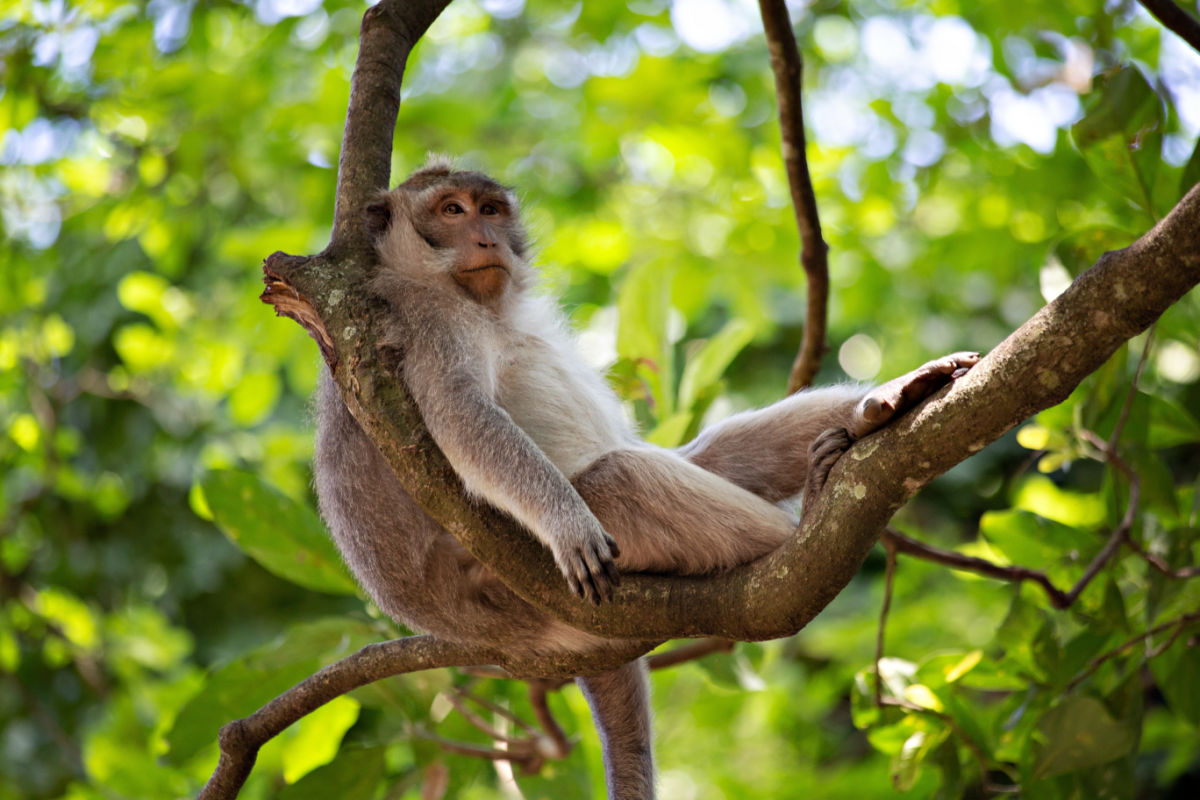
In a statement released alongside the announcement, Monkey Forest Ubud emphasized that the fee adjustment directly supports ongoing conservation efforts, habitat maintenance, and the welfare of the sanctuary's free-roaming macaque population. The attraction, officially known as the Sacred Monkey Forest Sanctuary, has long positioned itself as a leader in primate protection and forest preservation.
"This adjustment supports our ongoing conservation efforts, habitat maintenance, and ensures the well-being of the monkeys living freely in the forest," the sanctuary stated, adding that management appreciates visitor "understanding and continued support in preserving nature with us."
What This Means for Visitors
While the increases are notable, observers suggest they remain modest enough not to deter budget-conscious travelers. The price hikes reflect broader trends in Bali's premium attractions facing mounting costs for environmental management and visitor infrastructure.
For those planning visits during peak seasons—typically July-August and December-January—online advance booking is now more advisable than ever. The sanctuary offers convenient online ticketing alongside on-site purchases, allowing visitors to bypass potential gate queues.
Distinguishing Bali's Monkey Forests
While Ubud's Monkey Forest dominates international recognition and consistently ranks among Bali's top attractions for both foreign and domestic visitors, the island hosts several other primate sanctuaries. Sangeh Monkey Forest and Alas Kedaton Monkey Forest offer alternative experiences, though none rival Ubud's fame or visitor volume.
The Ubud sanctuary's primacy reflects its exceptional forest setting in the cultural heart of Bali, combined with decades of establishing itself as a responsible wildlife facility rather than a simple tourist novelty.
Supporting Sustainability
Fee increases at popular attractions often generate debate, yet conservation experts note that maintaining wildlife sanctuaries in a tropical environment with year-round visitor traffic demands substantial investment. Habitat degradation, veterinary care for free-living primates, and staff training represent ongoing operational challenges that visitor fees help offset.
For travelers seeking authentic encounters with Bali's natural heritage while supporting environmental stewardship, the adjusted fees reflect the real cost of responsible wildlife tourism.
Originally reported by The Bali Sun.
Source: The Bali Sun