Bali's 'Gates of Heaven' Faces Overcrowding Crisis
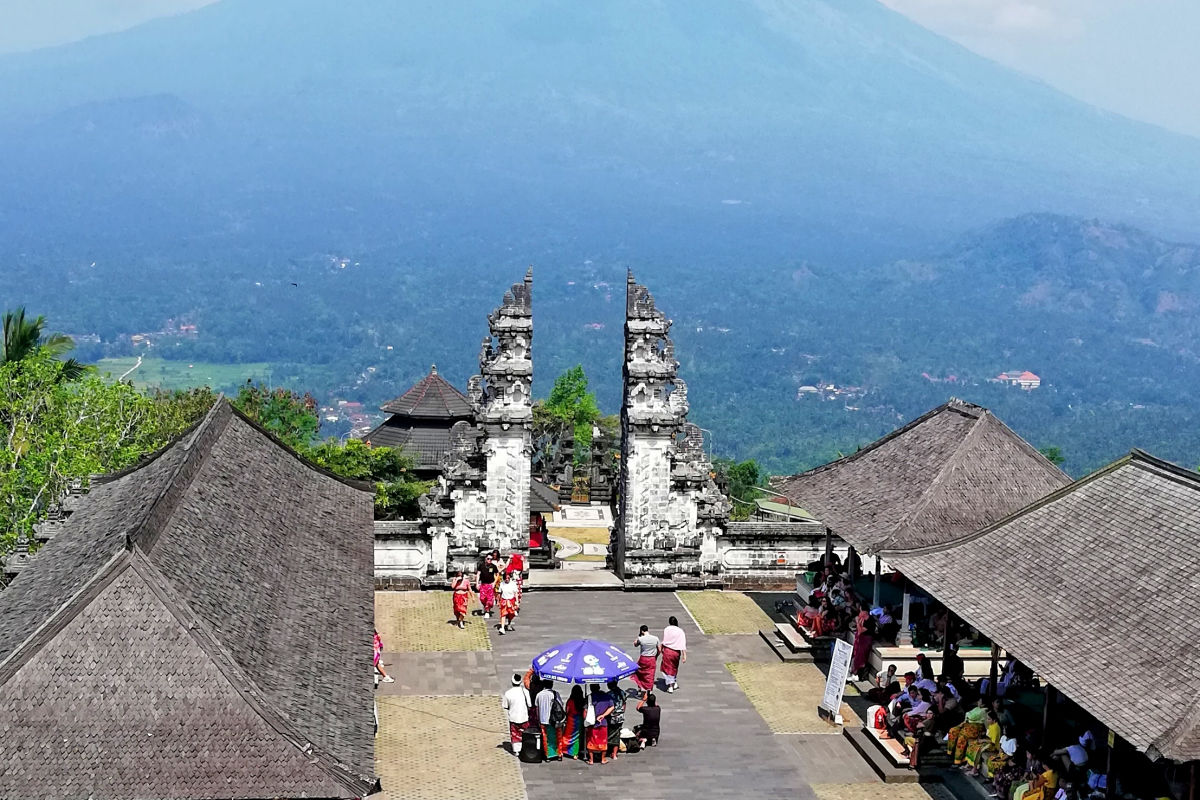
Overcrowding at Bali's Famous "Gates of Heaven" Temple Raises Sustainability Concerns
Bali's most Instagram-famous temple is buckling under the weight of its own popularity. Sad Kahyangan Lempuyang Temple, better known internationally as the "Gates of Heaven," has become so crowded that visitors now routinely wait four hours or more for a single photograph—a stark reminder of how social media virality can overwhelm cultural heritage sites.
The temple, located in East Bali with commanding views of Mount Agung on clear days, has transformed from a sacred spiritual site into one of the world's most sought-after photo destinations. The shift began over a decade ago when travel influencers discovered a simple photographic technique: by placing a mirror at the base of a camera lens, photographers could create the illusion that visitors were floating on water amid the temple's iconic gates and the mountain backdrop.
How a Photography Trick Became a Global Phenomenon
That simple optical illusion went viral, and it fundamentally changed Lempuyang Temple's trajectory. What was once a peaceful place of worship known mainly to surfers and early backpackers became a bucket-list destination for millions. The temple's perfectly framed gate structure and strategic alignment with Mount Agung made it ideal for the mirror-trick photography that dominated early travel Instagram content.
Unlike other Bali landmarks that experienced gradual tourism growth—such as Tegalalang Rice Terraces or Campuhan Ridge Walk—Lempuyang Temple's popularity skyrocketed almost overnight, driven entirely by social media demand rather than traditional tourism infrastructure development.
Local Authorities Grapple With Visitor Management
This week, temple managers reported dealing with unprecedented queues as tourists and travelers sought their moment at the gates. According to reports from local tourism officials, the situation has become untenable during peak hours, with overcrowding creating both safety concerns and challenges for preserving the site's cultural integrity.
The Head of Purwayu Traditional Village, which oversees tourism at the temple, indicated that current visitor management systems are insufficient to handle the volume of daily arrivals.
The overcrowding raises important questions about sustainable tourism in Bali. The island has long struggled to balance its role as a world-class tourist destination with the need to protect its cultural heritage and maintain quality of life for local communities. Lempuyang Temple represents an extreme case of this challenge—a sacred Hindu site that now functions primarily as a photography location.
The Broader Implications for Bali's Tourism Model
Bali's tourism industry generates crucial revenue for the island's economy, but sites like Lempuyang Temple illustrate the risks of unchecked visitor growth. The phenomenon highlights how social media can create sudden, massive demand that outpaces local capacity to manage it responsibly.
Solutions being considered may include timed entry systems, visitor quotas, or increased entrance fees—measures already implemented at other popular Balinese attractions. However, tourism officials must balance revenue needs with preservation concerns and the needs of devotees who wish to visit for spiritual rather than photographic purposes.
As Bali continues to evolve as a tourism destination, Lempuyang Temple serves as a cautionary tale about the power of social media to reshape—and potentially overwhelm—cultural landmarks.
This article is based on reporting from The Bali Sun.
Source: The Bali Sun