Bali's Badung Lifeguards Complete Advanced Water Rescue Training
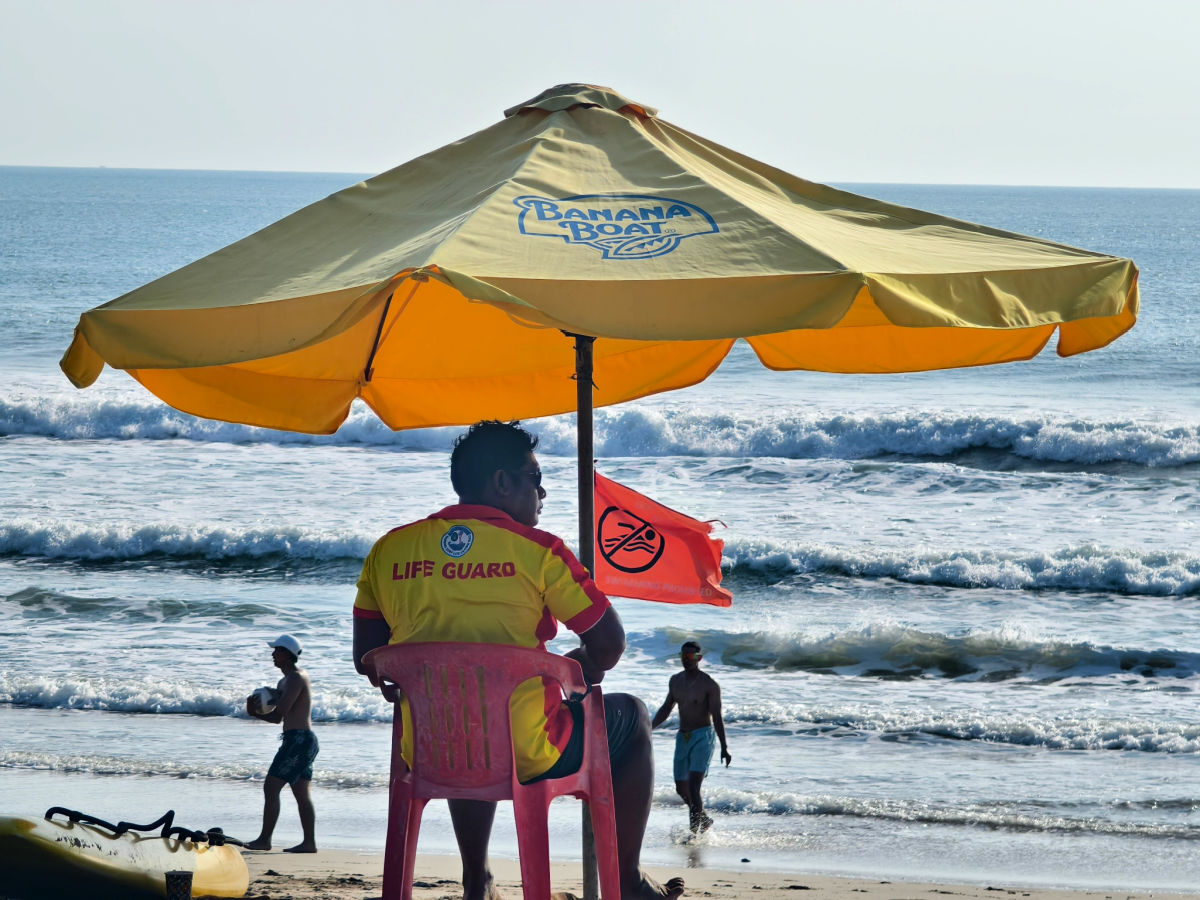
Bali's Badung Lifeguards Complete Advanced Water Rescue Training
In a significant move to bolster beach safety across Bali's most popular coastline, the Badung Lifeguard service has completed an intensive five-day training program focused on advanced rescue techniques in challenging marine conditions. The specialized course, which concluded recently, equipped 16 lifeguards with enhanced skills in operating jet skis and inflatable rescue boats in high waves and strong ocean currents.
The training initiative comes at a critical time for Bali's tourism sector, as the island continues to attract hundreds of thousands of international visitors annually. Bali's beaches remain the primary draw for tourists, yet several of the island's most iconic swimming and surfing destinations—including Kuta, Seminyak, and Uluwatu—are notorious for unpredictable ocean conditions that pose genuine risks to swimmers.
Strengthening Capacity Across Prime Beach Destinations
The Badung region encompasses nearly all of Bali's major tourism hotspots, including Kuta, Legian, Seminyak, Canggu, Jimbaran, Uluwatu, and the upscale Nusa Dua resort area. The lifeguard service operates 160 personnel across two separate management zones: the Kuta Regional Technical Implementation Unit (UPTD) with 105 lifeguards, and South Kuta UPTD with 55 personnel.
"This activity aims to make Badung Lifeguard more visible and recognized internationally. Hopefully, it will have a positive impact going forward and develop reliable human resources to protect the coastal areas of Badung Regency," said I Wayan Somer, Head of the Badung Lifeguard Kuta UPTD.
Specialized Training Framework
The five-day program concentrated on building lifeguard resilience, situational awareness, and rapid-response capabilities in accordance with international safety standards. Jet ski operations and inflatable boat maneuvering in turbulent conditions formed the cornerstone of the curriculum, reflecting the real-world challenges lifeguards face on Bali's dynamic coastlines.
According to officials, the training was conducted as a joint initiative between Kuta and South Kuta UPTD units, demonstrating institutional commitment to elevating service quality. The specialized nature of the course—limited to 16 participants—suggests a focus on creating a core team of expert responders who can mentor other team members and lead rescue operations during emergencies.
Addressing Tourism Safety Infrastructure
Bali's reputation as a world-class beach destination depends significantly on robust safety infrastructure. While most of the island's beaches are suitable for recreational activities, high-energy breaks and rip currents at popular spots have historically been the cause of tourist incidents. The presence of well-trained, internationally recognized lifeguards serves as both a practical safety measure and a confidence-building signal to international travelers.
The Badung Lifeguard service's investment in continuous professional development reflects growing recognition that keeping pace with evolving beach conditions and rescue technologies is essential in the competitive global tourism market.
This article is based on reporting from The Bali Sun.
Source: The Bali Sun