Bali's Eco-Lodges: Sustainable Tourism Winning Hearts and Environment
Bali's Eco-Tourism Boom: Sustainable Stays Winning Over Visitors and Environment
As environmental consciousness shapes travel decisions globally, Bali is positioning itself as a leading destination for sustainable tourism. The island's growing network of eco-lodges, bamboo accommodations, and regenerative tourism initiatives offers travelers an alternative to conventional resorts—one that often costs less while delivering deeper cultural immersion and minimal environmental impact.
The shift reflects a broader recognition in Indonesia's tourism sector that long-term success depends on protecting the natural landscapes and communities that attract visitors in the first place. With Bali hosting millions of international tourists annually, sustainable hospitality has evolved from niche offering to competitive necessity.
Bamboo Architecture Meets Luxury Comfort
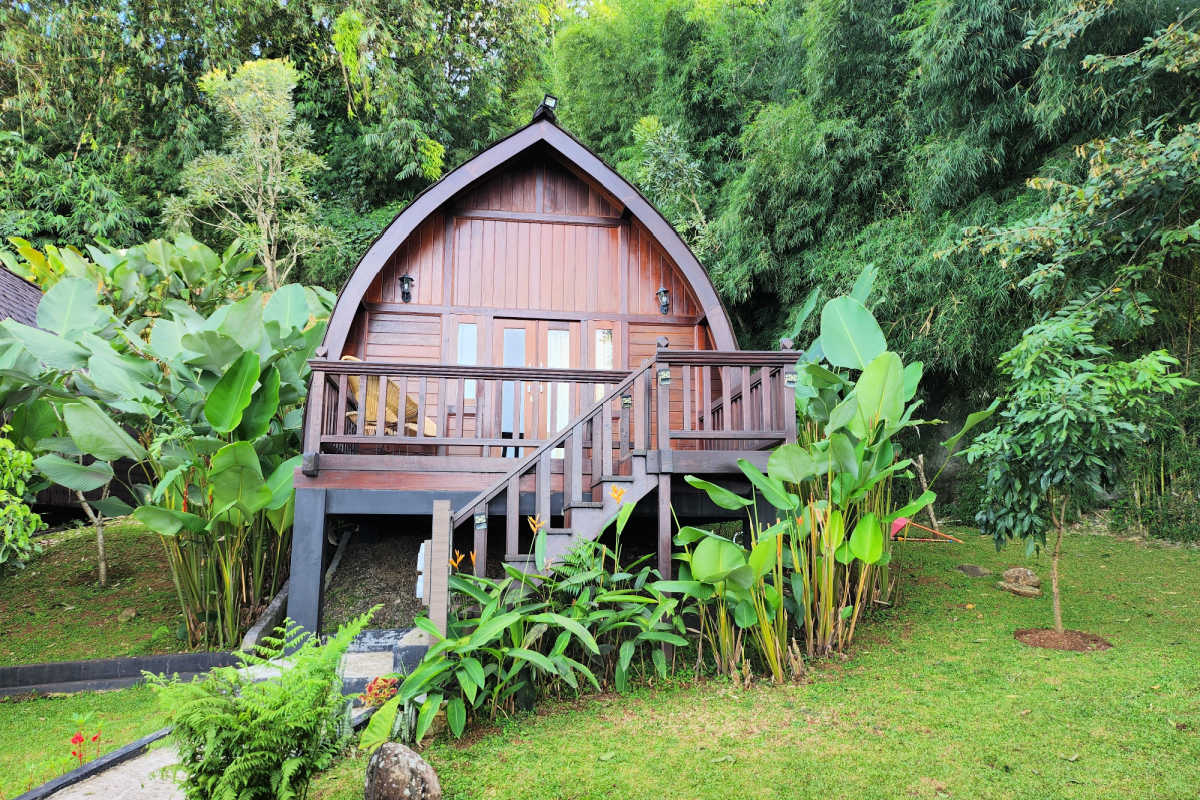
Leading the charge is Hideout, an internationally recognized eco-stay in Karangasem Regency that showcases some of Bali's most striking bamboo architecture. Rather than prioritizing high turnover, Hideout emphasizes guest relaxation and cultural engagement—a philosophy that resonates with travelers seeking authentic experiences.
"Most of our guests simply enjoy 'hiding out' in their Hideouts, and there is a good reason behind it; we do everything in our power to take your total relaxation seriously," the property states on its promotional materials.
Beyond comfortable accommodations, Hideout offers structured cultural experiences including private yoga sessions, traditional Balinese healing treatments, guided village treks, and silversmithing workshops. This model—combining comfort with cultural education—addresses a key demand among modern travelers who want their tourism dollars to support local communities.
Regenerative Agriculture and Jungle Immersion
In the Tabanan Hills, Sarinbuana Eco Lodge demonstrates another approach to sustainable tourism. The property operates its own permaculture garden, reducing supply chain dependencies while educating guests about regenerative agriculture. Natural pools and direct waterfall access minimize resort infrastructure while maintaining luxury appeal.
The lodge's guided activities—birdwatching, agricultural tours, and jungle exploration—generate income for local guides and reinforce conservation incentives among surrounding communities. This model transforms tourism from an extractive industry into an economic driver for environmental protection.
Cost-Effectiveness Meets Conscience
One often-overlooked advantage of Bali's eco-stays is affordability. By utilizing natural materials, minimizing mechanical systems, and emphasizing experiences over amenities, these properties typically offer rates comparable to or lower than conventional hotels. This democratizes sustainable travel, making it accessible beyond luxury market segments.
As global travel rebounds and environmental concerns intensify post-pandemic, Bali's eco-tourism sector exemplifies how destinations can balance economic growth with environmental stewardship. For visitors, these stays offer the increasingly rare combination of authentic experience, local benefit, and ecological responsibility.
Originally reported by The Bali Sun, July 24, 2026
Source: The Bali Sun