Bali's Hidden Mangrove Ecosystems Become Next Ecotourism Frontier
Bali's Hidden Mangrove Ecosystems Become Next Ecotourism Frontier
While most visitors to Bali flock to iconic rice terraces, volcanic peaks, and pristine beaches, a new conservation-driven ecotourism initiative is redirecting tourist attention to one of the island's most overlooked—and ecologically vital—landscapes: mangrove forests.
PT PLN Indonesia Power, the state-owned power company, has designated the Batu Lumbang Mangrove Ecotourism Area and Ngurah Rai Grand Forest Park (Tahura) as conservation-based tourism destinations, marking a significant shift in how Bali approaches sustainable tourism development. The initiative simultaneously addresses a critical environmental need while creating economic opportunities for local fishing communities.
Reframing Bali's Natural Heritage
For decades, Bali's tourism marketing has centered on predictable imagery: terraced rice paddies, cascading waterfalls, and volcanic summits. Yet mangrove ecosystems—often dismissed as muddy, unglamorous backdrops—represent some of the world's most important natural carbon sinks and biodiversity hotspots.
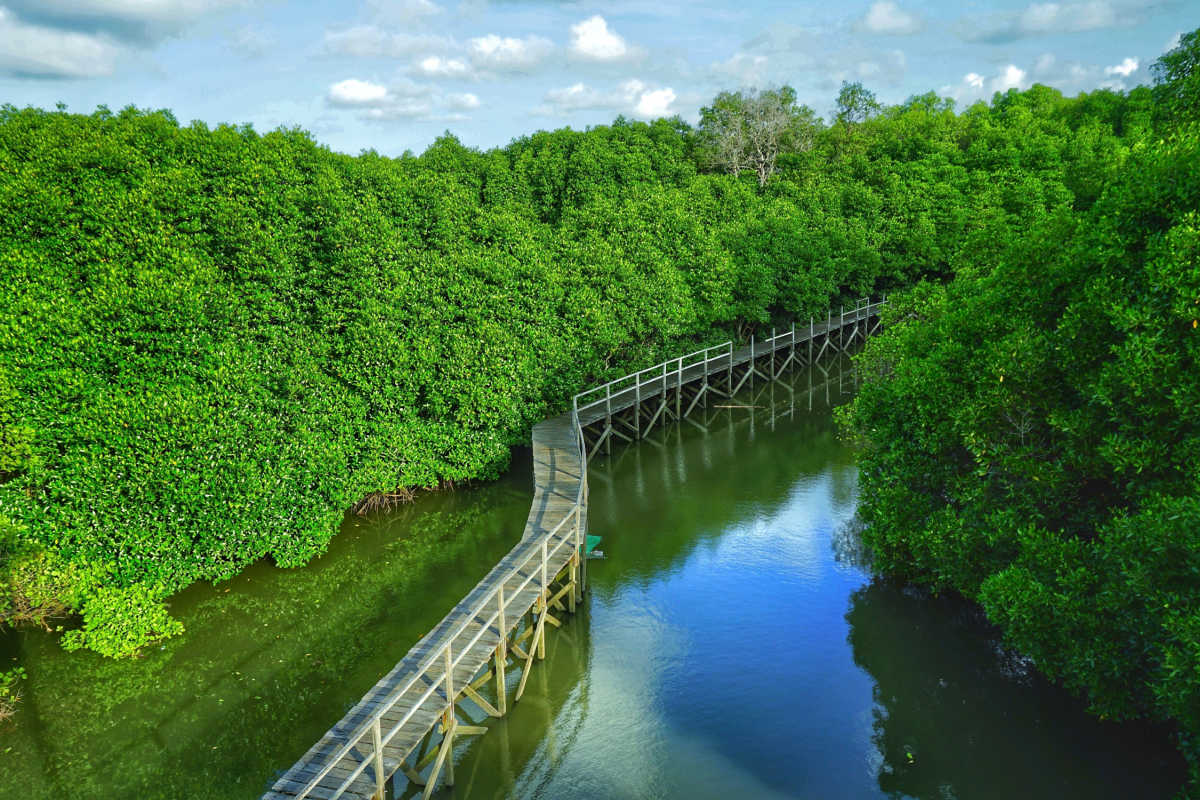
The Batu Lumbang site alone hosts 18 native mangrove species and 15 associated species, serving as crucial habitat for coastal wildlife while protecting shorelines from erosion and absorbing massive quantities of atmospheric carbon—a vital function in Bali's climate crisis response.
"The success of mangrove conservation is highly dependent on community involvement as area managers," explained Ridho Hutomo, PT PLN Indonesia Power's Director of Human Capital Management and Administration, during a recent community tree-planting event that saw 15,000 mangrove seedlings sown.
Balancing Business With Conservation
The initiative demonstrates how large corporations can drive environmental restoration while supporting local economies. By positioning mangrove forests as ecotourism destinations, PLN is creating sustainable income streams for fishing communities—traditionally marginalized in Bali's resort-centric tourism economy.
This model reflects broader challenges facing Bali's development trajectory. As tourism pressure intensifies on the island, stakeholders—from government officials to business leaders to community organizations—are increasingly seeking alternatives that preserve natural and cultural assets while generating revenue.
Expanding Bali's Ecotourism Landscape
Balu Lumbang joins several other mangrove destinations gaining traction among environmentally-conscious travelers, including the renowned mangrove forest on Nusa Lembongan island. Dozens of smaller mangrove forests scattered across Bali now represent unexplored ecotourism potential.
For international visitors seeking authentic connection with nature beyond crowded tourist zones, these emerging destinations offer genuine engagement with working ecosystems and the communities that depend on them—a compelling alternative to conventional resort experiences.
Source: The Bali Sun
Source: The Bali Sun