Bali's Luxury Hotels Unite to Combat Island's Waste Crisis
Bali's Luxury Hotels Join Forces to Combat Island's Growing Waste Crisis
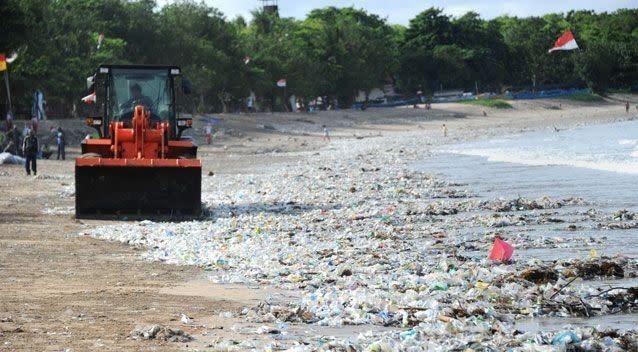
As Bali grapples with an escalating waste management crisis, the island's five-star hotel sector has taken matters into its own hands, pledging to invest in organic waste processing equipment to help alleviate the burden on an already overwhelmed sanitation system.
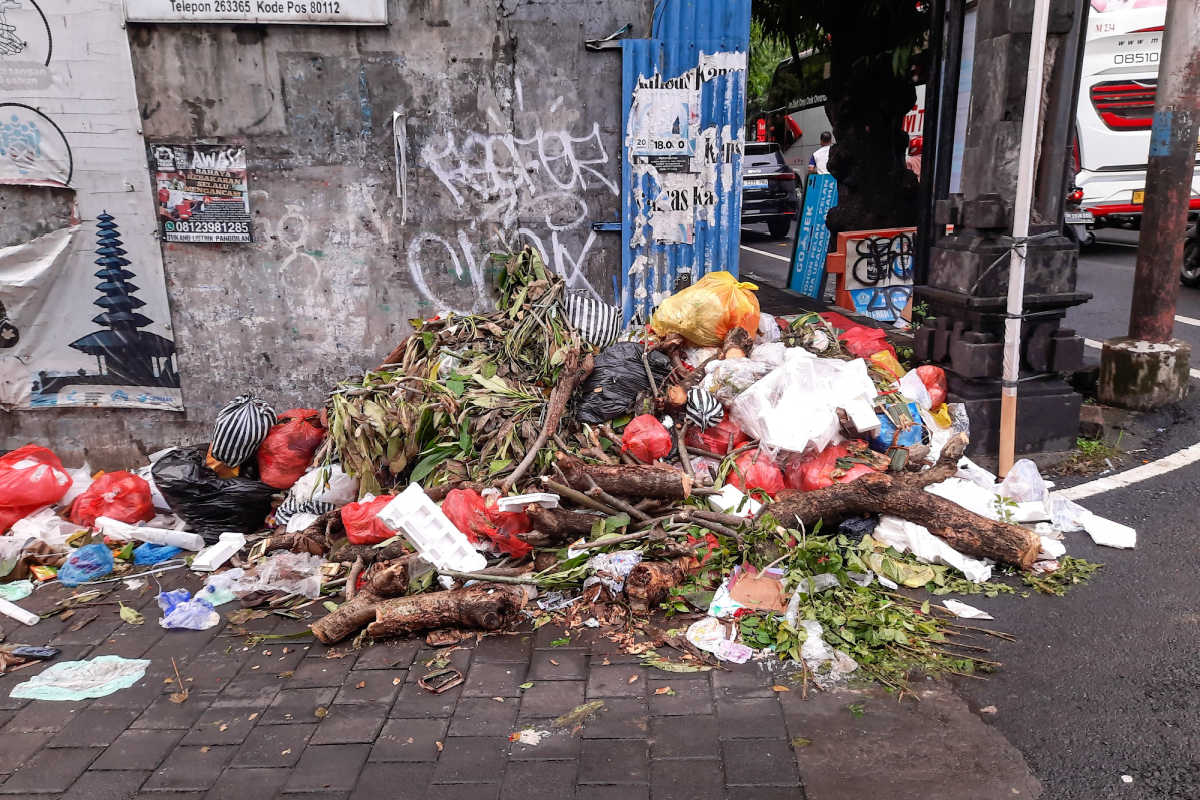
The initiative comes at a critical juncture for Bali's waste infrastructure. The island's largest landfill, Suwung TPA, is approaching closure and has already begun rejecting organic waste, leaving local authorities scrambling to find alternative disposal methods while residents increasingly resort to burning garbage—a practice that compounds environmental and public health concerns.
Hotels Account for Major Share of Island's Waste
According to I Gusti Ngurah Rai Suryawijaya, Deputy Chairman of the Indonesian Hotel and Restaurant Association (PHRI), the hospitality sector is taking on a significant responsibility. Hotels, restaurants, and cafes generate between 30-40% of total waste produced in key tourist areas including Denpasar and Badung Regency—a proportion that underscores the industry's outsized environmental footprint.
"We are working with several parties, and we are currently awaiting orders for equipment to progress organic waste into compost," Suryawijaya told reporters. "It's quite expensive, but we can afford it."
Separating Organic from Non-Organic: The Core Challenge
One of Bali's most pressing waste management obstacles is the indiscriminate mixing of organic and non-organic waste streams. By processing organic waste into compost through either traditional or mechanized methods, hotels believe they can substantially reduce the volume of material destined for landfills or incineration.
The investment in processing equipment represents recognition that Bali's tourism industry must lead by example in sustainable practices, particularly as regulatory restrictions on tourism-sector waste are expected to tighten in coming months.
Industry Leadership Sets Precedent
While many mid-range and budget accommodations have implemented basic internal waste management protocols, the sector has historically lagged in comprehensive environmental stewardship. The luxury hotel initiative signals a shift in attitude, positioning premium properties as environmental actors rather than passive contributors to Bali's sanitation crisis.
This corporate intervention highlights a troubling gap: private enterprise stepping in where government infrastructure has proven inadequate. As Bali's tourism industry—worth billions to Indonesia's economy—continues to expand, the pressure on the island's waste systems only intensifies, with residential waste competing alongside commercial and hospitality waste for limited disposal capacity.
Looking Ahead: Equipment Orders and Future Regulations
Suryawijaya indicated that the timing of equipment purchases is strategic, positioning hotels to comply with anticipated regulatory changes restricting waste disposal options. The investment, while substantial, reflects the sector's understanding that proactive sustainability measures are less costly than reactive crisis management.
Whether this hotel-led initiative will prove sufficient to meaningfully reduce Bali's waste burden remains uncertain, but it signals that key stakeholders recognize the island's waste management system cannot continue functioning at current capacity.
Originally reported by The Bali Sun, May 4, 2026
Source: The Bali Sun