Nyepi Ceremonies Take Precedent In Tourism Resorts Next Week
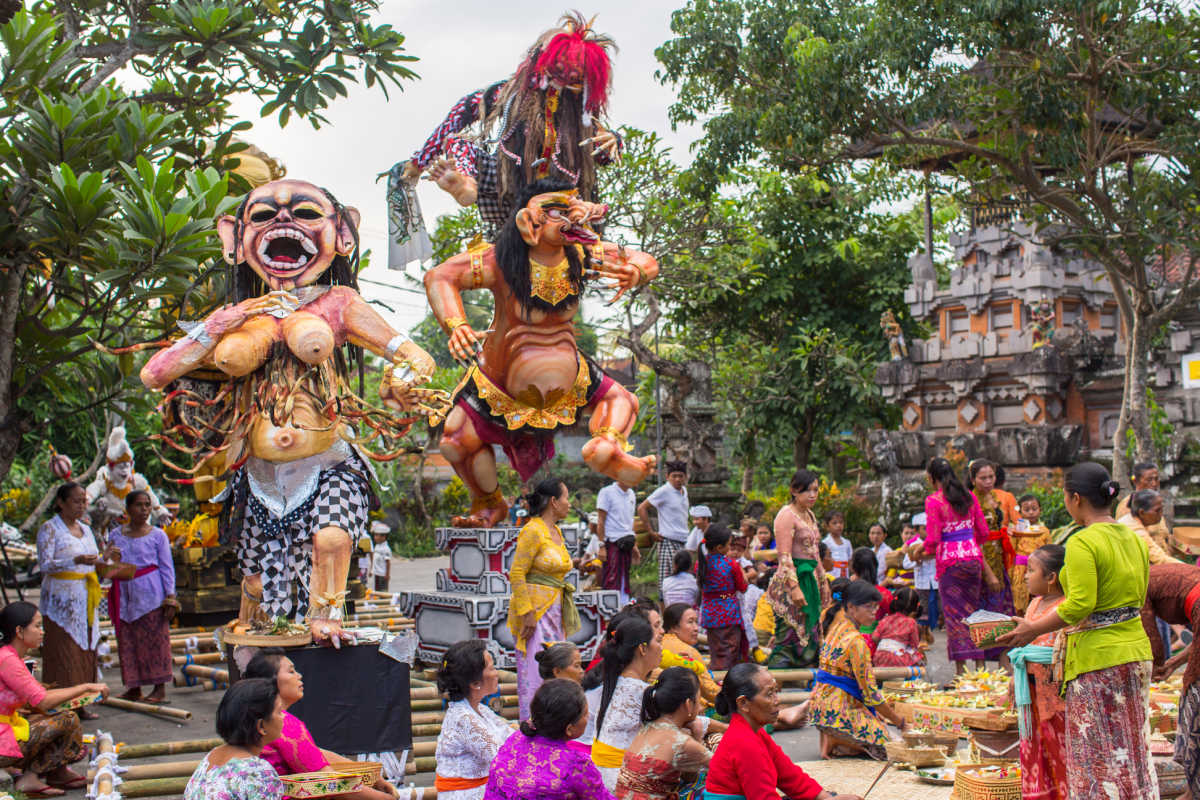
Bali Prepares for Nyepi: What International Visitors Need to Know
Bali will observe its most sacred day on March 19, 2026, when the island comes to a complete standstill for Nyepi—the Balinese New Year celebration centered on silence, meditation, and spiritual renewal. For international tourists currently in Bali or planning to visit during this period, understanding the rules and restrictions is essential to respecting local customs and avoiding disruptions to travel plans.
The 24-Hour Shutdown: What to Expect
Nyepi Day will impose strict restrictions from 6 am on March 19 until 6 am on March 20. During these 24 hours, all movement across the island will cease. The Ngurah Rai International Airport will shut down completely, public roads will be closed, and no boats will be permitted to arrive or depart. Tourists must remain in their hotels or accommodations—leaving your residence is not permitted under any circumstances.
The concept of Nyepi revolves around four fundamental prohibitions, known in Balinese as the "Catur Brata Penyepian" (Four Rules of Restraint):
- Amati Geni: No lighting of fires or lamps (keep lights off or at minimal levels)
- Amati Karya: No work, including cooking and household chores
- Amati Lelungan: No traveling or leaving your accommodation
- Amati Lelanguan: No entertainment, music, television, or recreational activities
"For tourists, it is truly an honour to be in Bali on Nyepi Day and during this festival period," notes The Bali Sun. Embracing the day's spiritual significance, rather than viewing it as an inconvenience, allows visitors to experience one of Bali's most authentic cultural practices.
Week-Long Festivities and Road Disruptions
While the strictest rules apply only on Nyepi Day itself, the entire week leading up to March 19 will see significant changes throughout Bali. The most visible of these is the Melasti Ceremony, a purification ritual performed in communities across the island in the days preceding Nyepi.
Melasti processions involve hundreds of worshippers—often exceeding 200 people per ceremony—traveling from village temples to the coast to cleanse the world of bad karma and negative energy. These sacred parades require extensive road closures and traffic diversions to ensure the safety of participants and maintain orderly traffic flow for other road users.
Tourists should expect traffic delays, route changes, and temporary road closures throughout the week as these ceremonies take place. Hotel staff and local authorities will provide updated guidance on the best routes to navigate these disruptions.
Practical Advice for Visitors
Hotels and tourism resorts across Bali are preparing for Nyepi by extending their restaurant operating hours earlier in the week and pre-preparing meals for guests to consume on Nyepi Day itself. Tourists should check with their accommodation about meal arrangements and ensure they have sufficient supplies for the 24-hour period.
Many visitors find Nyepi to be a unique opportunity to experience Balinese spirituality firsthand. Hotels often provide information about the historical and cultural significance of the day, transforming what could be seen as a limitation into a meaningful cultural immersion experience.
Source: The Bali Sun
```Source: The Bali Sun