Bali Observes Sacred Nyepi Day with Island-Wide Silence
Bali Enters Sacred Day of Silence as Nyepi Observance Begins
Bali has come to a standstill as the island honors Nyepi Day on March 19, 2026, one of the most spiritually significant dates in the Balinese Hindu calendar. For the next 24 hours, the entire island will observe a period of complete silence and stillness — no vehicles, no talking, no electricity, no entertainment, and minimal movement outside homes.
The observance extends across all residents and visitors, creating a unique cultural phenomenon that transcends religious boundaries. International tourists, non-Hindu Indonesians, and secular residents all participate in respecting this sacred tradition, making Nyepi a defining characteristic of Balinese society.
The Contrast: From Chaos to Calm
The dramatic shift came just hours before, as Bali erupted in a frenzy of energy and noise. On the eve of Nyepi, communities across the island — from Denpasar to Lovina, Canggu to Ubud — participated in the Pengerupukan ceremonies, also known as the Ogoh Ogoh Parades.
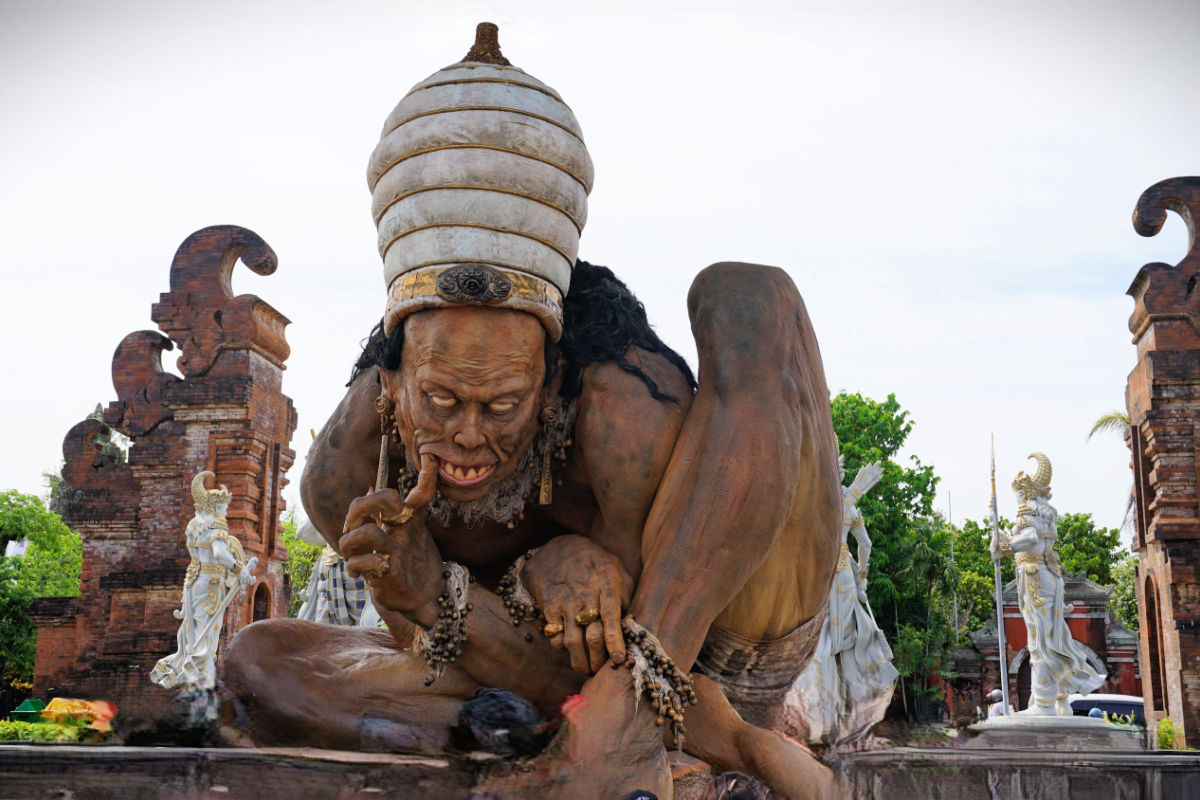
These spectacular processions feature giant demonic effigies carried through village streets, accompanied by music, chanting, and controlled chaos. The Ogoh Ogoh themselves are striking creations, standing several meters tall and depicting fierce mythological figures with exaggerated features and intimidating expressions.
The Ogoh Ogoh processions serve a spiritual purpose beyond mere spectacle — they channel and expel negative energy accumulated throughout the year, clearing away bad karma, anger, and frustration before the island's collective reset.
Months of Preparation Behind the Spectacle
What appears spontaneous is actually the result of meticulous planning. Each Ogoh Ogoh requires more than four months of design and construction by dedicated community craftspeople. These effigies are traditionally built using natural materials including bamboo frames, clay, and handmade paper.
Increasingly, larger and more elaborate statues incorporate metal skeletal structures for reinforcement and modern additions like electric lighting and animatronic mechanisms — a blend of ancient tradition and contemporary technology that reflects modern Bali's evolution.
Communities often compete with one another, spurring creativity and investment in ever-more impressive designs. These competitions have become important social events that strengthen village bonds and cultural pride.
Understanding Nyepi's Spiritual Significance
Nyepi marks the turning of the Balinese Saka calendar, making it the island's New Year according to the traditional Hindu-Balinese system. The day represents a moment of spiritual renewal and cosmic balance restoration.
The strict observance rules — known locally as the "Catur Larangan" (four prohibitions) — create an environment of introspection and meditation. The enforced silence and stillness are believed to reset the island's spiritual energy and individual consciousness.
What This Means for Visitors
For travelers arriving during Nyepi, the experience can be disorienting yet profound. Streets remain empty, shops are closed, and even the perpetual sounds of scooters and tourism fade entirely. Emergency services continue operating, but all non-essential activity ceases.
First-time visitors who experience the Ogoh Ogoh parade chaos followed immediately by Nyepi's profound silence gain a visceral understanding of Balinese culture — a place where ancient spiritual traditions remain woven into daily life and command genuine respect from all inhabitants, regardless of personal faith.
Originally reported by The Bali Sun
Source: The Bali Sun