Balinese Puppet Master Adapts Traditions for Modern Audiences
Keeping Balinese Puppetry Alive: How One Master Adapted Tradition for Modern Times
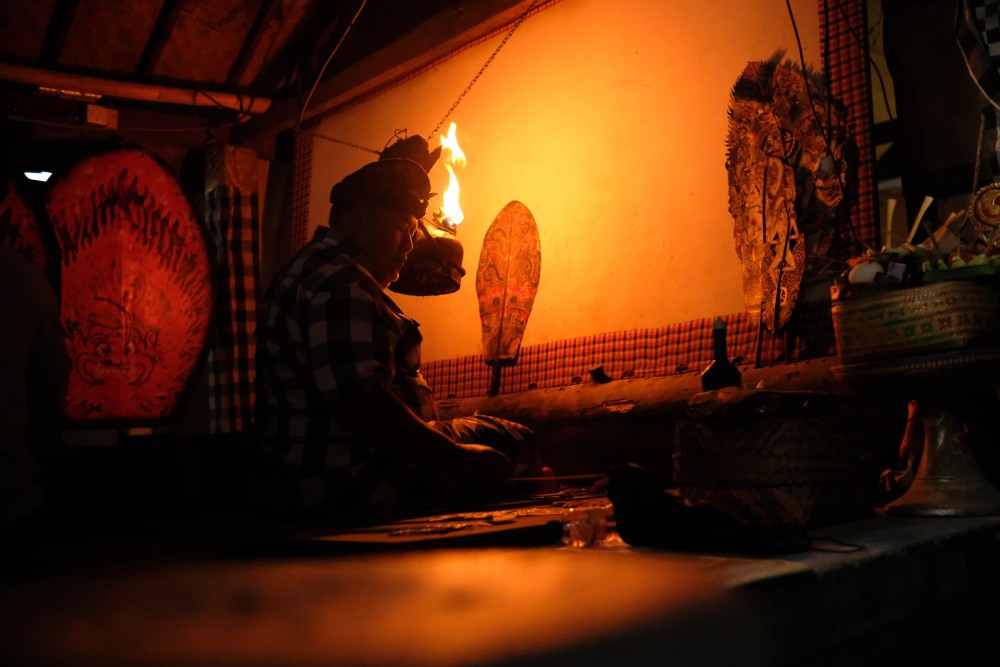
In Ubud's cultural landscape, Made Sukadana stands as a pivotal figure in the fight to preserve one of Bali's most cherished art forms. The veteran dalang—a Balinese puppet master—has become instrumental in ensuring that traditional shadow puppetry doesn't fade into historical obscurity, even as tourism patterns and modern entertainment reshape the island's cultural ecosystem.
Known affectionately as "Gender" in Ubud circles, Sukadana represents a particular kind of cultural innovator: one who bends tradition without breaking it. Rather than relegating wayang kulit (shadow puppetry) to ceremonial occasions alone, he pioneered its transformation into a sustainable tourist attraction—a move that proved controversial among purists but ultimately breathed new life into the art form.
From Golden Era to Cultural Crossroads
The 1990s represented a watershed moment for Balinese performing arts. "Our best days were in 1998. Hundreds of tourists could come and see our show," Sukadana reflects with nostalgia. Back then, restaurants throughout Bali prominently advertised nightly performances, and visitors actively sought immersion in the island's rich cultural traditions. That era of fervent cultural tourism seems distant now, as the landscape has shifted dramatically.
Rather than accepting decline, Sukadana recognized an opportunity to repackage traditional puppetry for contemporary audiences without sacrificing its essential character.
A Non-Traditional Path to Mastery
Sukadana's journey to becoming a renowned puppet master defies conventional expectations. Though his grandfather was a dalang, the family's traditional texts and knowledge—known as kropak—were not passed directly to him. Instead, his passion emerged unexpectedly through dance.
His wife's involvement in a local dance studio proved transformative. By immersing himself in that environment, Sukadana developed deep knowledge of traditional songs and sendon—the vocal accompaniments that set the emotional tone for performances. This unconventional foundation ultimately became his greatest asset, giving him fresh perspective on how to present ancient stories to modern audiences.
Building a Cultural Institution
Beyond his individual performances, Sukadana co-founded Kerta Art, a dance group established with his daughter-in-law, renowned dancer Ayu Anantha Putri. What began as a performance venue has evolved into something far more significant: a repository of living cultural knowledge and a destination for serious students of Balinese dance.
Universities and cultural researchers increasingly turn to Kerta Art for insights into how traditional arts can remain resilient amid rapid modernization. This recognition underscores a broader truth: Sukadana's work extends beyond entertainment into the realm of cultural documentation and adaptive preservation.
Recognition and International Reach
His innovative approach to presenting wayang kulit garnered international attention, with invitations to prestigious festivals including appearances in Baikal, Russia. These opportunities validate what Sukadana has long believed: that traditional Balinese arts have universal appeal when presented accessibly without losing authenticity.
The success of Sukadana's model—simultaneously honoring tradition while embracing contemporary packaging—offers crucial lessons for cultural preservation across Southeast Asia. As Bali continues its rapid development, figures like Made Sukadana demonstrate that adaptation, rather than rigid adherence to the past, may be the truest form of cultural loyalty.
Originally reported by NOW Bali
Source: NOW Bali