Majapahit's Enduring Legacy: How Ancient Empire Shapes Bali and Java

Majapahit's Enduring Legacy: How an Ancient Empire Still Shapes Bali and Java
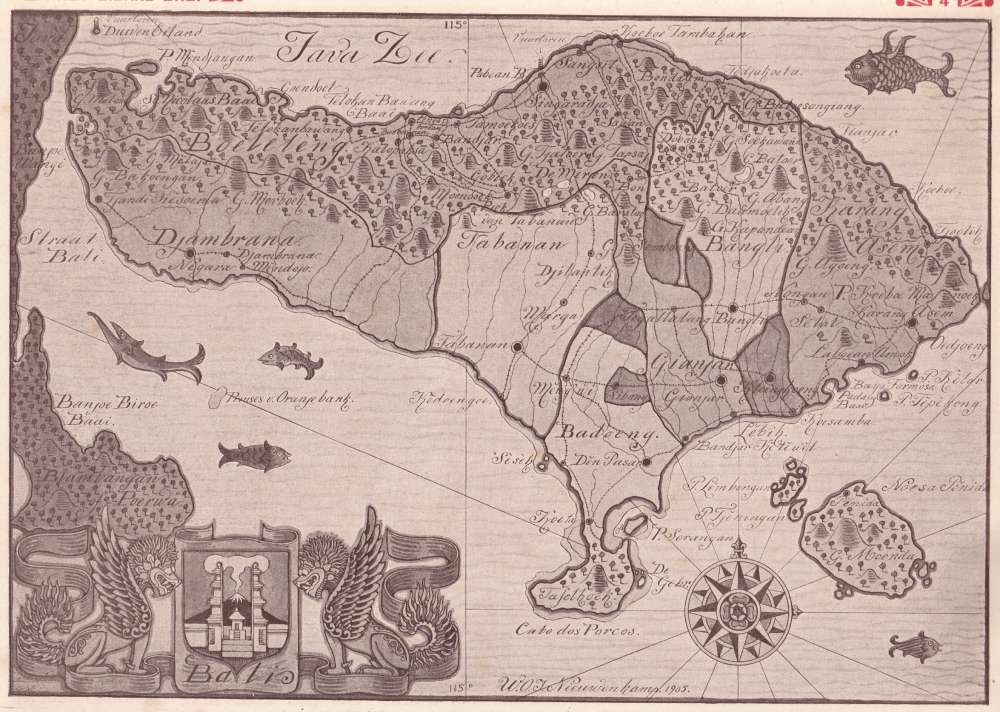
The spiritual and cultural bond between Bali and Java runs far deeper than geography alone. According to a feature from NOW! Bali, the 14th-century Majapahit empire—which fell centuries ago—continues to exert a powerful influence over both islands, woven into the fabric of Balinese identity, religious practice, and even contemporary pilgrimage patterns.
The connection is mythological as much as it is historical. In Balinese cosmology, the island itself is conceived as a dragon's tail severed from Java's greater body. The 15th-century text Tantu Panggelaran describes how divine forces transported sacred fragments of Java's Mount Semeru eastward to stabilize the volcanic peaks that now define Bali's spiritual landscape—Agung, Batur, and Batukaru. This mythic geography persists in daily life; most Balinese homes feature a Menjangan Salwang (deer-head) shrine, an architectural legacy attributed to the Javanese priest-architect Empu Kuturan.
Majapahit Transplanted: The Conquest of 1343
The historical foundation for this enduring connection dates to 1343, when a military expedition from Java established what one scholar describes as a "Norman-like" conquest of Bali. This invasion was far more than territorial; it transported an entire civilization—complete with literature, a complex caste system, and Hindu-Buddhist spiritual practices—across the Lombok Strait.
The cultural transplantation intensified in the 16th century as Islam expanded its influence across Java. High priests of the Siwa-Buda tradition fled eastward to Bali, carrying with them the intellectual and spiritual treasures of the dying Majapahit empire. These exiled scholars ensured that ancient knowledge survived, embedding itself into the regalia, mantras, and practices of Bali's high-priesthood—where it remains central to religious identity today.
A Spiritual Reconquista in the 18th Century
By the early 1700s, Majapahit's legacy had become more than memory—it was inspiration for political action. Cokorda Sakti Blambangan, the powerful king of Mengwi who controlled territory in Java's eastern tip, launched what chroniclers describe as a spiritual "reconquista" into the ancient Majapahit heartland. According to historical accounts, his forces penetrated deep into the Tengger-Semeru massif, where he discovered "old believers"—communities preserving pre-Islamic Javanese traditions—and the sacred water temple of Batu Klosot.
The discovery of these surviving communities suggested that Balinese Hinduism was not unique, but rather the preserved remnant of a broader regional tradition.
Colonial Modernity Reframes Ancient Connections
The arrival of Dutch colonial rule fundamentally altered this narrative. Linear, documented history began replacing mythic memory as the organizing principle for understanding the past. In the late 19th century, the Dutch opened the Hoofdenschool (School for Chiefs) in Probolinggo, educating young Balinese aristocrats—including the future Ubud prince Cokorde Raka Sukawati—in proximity to communities of "old believers" living in the mountains only kilometers away.
As educated Balinese adopted the modern term "Hinduism" to frame their faith within contemporary frameworks, a new phenomenon emerged: organized pilgrimage from Bali to the Semeru region. These journeys represented more than religious tourism; they were attempts to reconnect with a shared spiritual inheritance that transcended the political boundaries the Dutch were imposing on the archipelago.
This ongoing relationship between Bali and Java's Hindu remnants reveals how historical empires continue to shape contemporary religious practice and cultural identity across Indonesia.
Source: NOW Bali