Dutch Artist W.O.J. Nieuwenkamp: Bali's First European Pioneer
Dutch Pioneer Who Captured Bali's Soul: W.O.J. Nieuwenkamp's Artistic Legacy
In the early 1900s, when few Europeans had ventured to Indonesia's island paradise, Dutch artist W.O.J. Nieuwenkamp arrived with sketchbook in hand and an insatiable curiosity. Beginning in 1904, he became the first European artist to systematically document Bali's temples, rituals, and daily life—creating a visual record that would captivate the Western imagination and help define how the world saw this enchanting island.
His personal motto, Vagando Acquiro ("While wandering, I acquire"), perfectly captured Nieuwenkamp's restless spirit. A prolific painter, woodcarver, and graphic artist, he spent a lifetime traveling across continents from Egypt to India, but it was Bali that truly captured his heart.
A Traveler Finds His Muse
Wijnand Otto Jan Nieuwenkamp (1874–1950) visited the Netherlands Indies six times between 1898 and 1937, but his first encounter with Bali in 1904 proved transformative. The island's untouched beauty and rich Hindu culture sparked a creative fervor. He wrote with genuine passion:
"There are so many beautiful things to see and to portray, which have not yet been noticed as beautiful, let alone discussed."
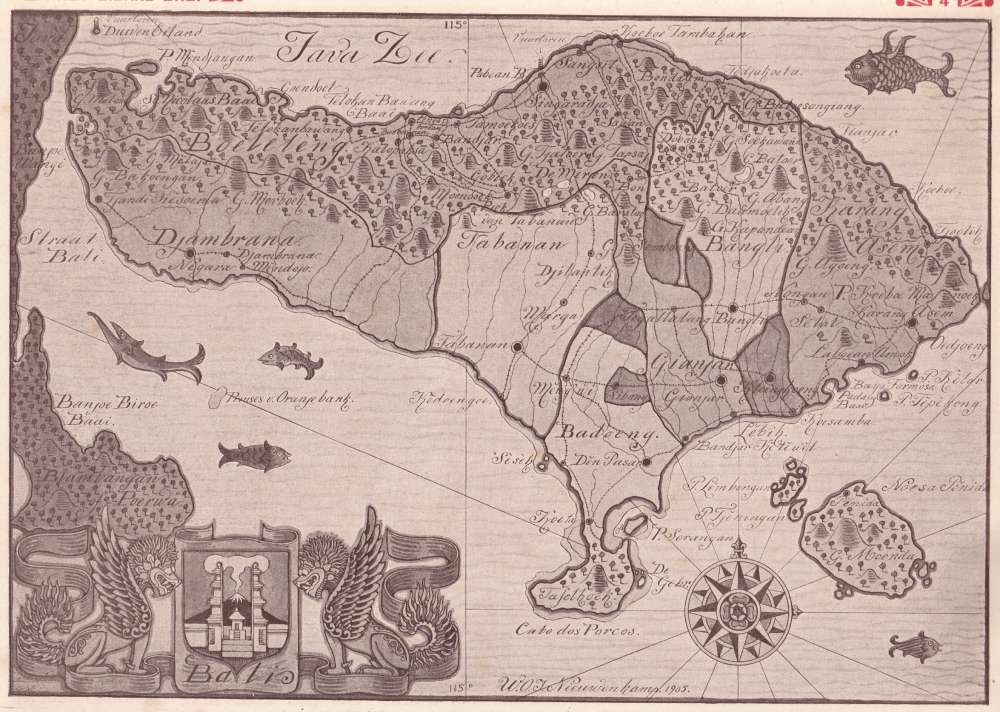
Inspired by this revelation, Nieuwenkamp committed himself to creating a comprehensive artistic documentation. The result was his landmark book Bali en Lombok, first published in 1906, which featured his sensitive etchings and drawings alongside thoughtful commentary on Balinese life and culture.
Opening Doors for Others
Nieuwenkamp's pioneering work paved the way for a wave of European artists who followed in the 1920s and 1930s, including the celebrated Walter Spies, Rudolf Bonnet, Adrien-Jean Le Mayeur, and Willem Hofker. Together, these artists helped romanticize Bali as an unspoiled "paradise"—an image that captivated international audiences and sparked global interest in Balinese culture long before mass tourism emerged.
Their combined artistic output and writings significantly influenced Western perceptions of Bali, transforming it from an obscure colonial territory into a destination of cultural fascination and artistic pilgrimage.
Historical Documentation, Artistic Vision
Nieuwenkamp's 1904 drawing of the Batur Temple complex, with Mount Batur's smoking caldera in the background, offers a poignant historical snapshot. Just two decades later, in 1926, the island would experience its most catastrophic volcanic eruption in modern times. The disaster, which lasted from August 2 to September 21, killed over 200 people and reshaped the landscape dramatically—burying 90% of Batur village while the sacred 11-tiered Meru temple stood as a defiant landmark.
Through this lens, Nieuwenkamp's meticulous artistic documentation becomes something more than beautiful rendering—it becomes invaluable historical record of a Bali that would never be quite the same again.
A Legacy Still Relevant
Today, Nieuwenkamp's works remain treasured by collectors and historians alike, offering both artistic merit and cultural insight. His sensitive approach to depicting local life—free from the crude exoticism that sometimes characterized European portrayals of the colonial East—set a standard for respectful cross-cultural artistic documentation.
The artist's journey reminds us that Bali's global reputation was built not by tourism boards, but by genuine artists and thinkers who recognized something extraordinary and felt compelled to share it with the world.
Originally published by NOW! Bali. Article shared from Indies Gallery collection.
Source: NOW Bali