Digital Dalang Bridges Bali's Cultural Divide
Digital Dalang Bridges Bali's Cultural Divide
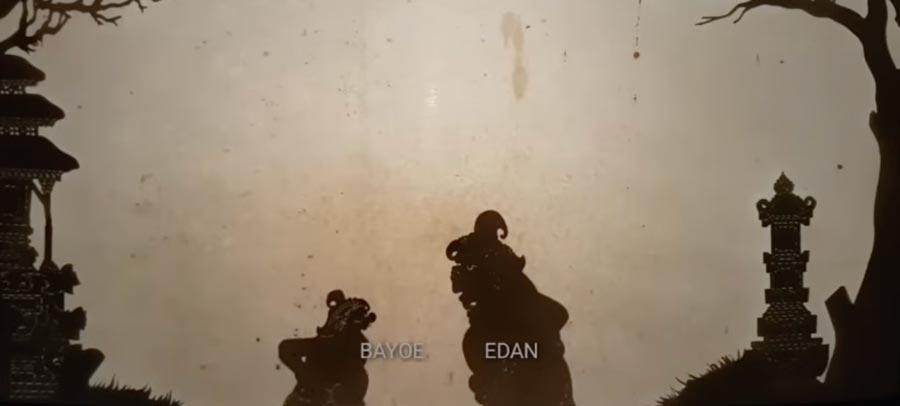
In an age when Balinese traditions face unprecedented pressure from globalization and modernization, one shadow puppet master is fighting back—not with ancient scripts, but with YouTube. Bayoe Edan, whose name translates to "Crazy Wind," represents a bold reimagining of wayang kulit, the island's centuries-old shadow theater tradition, transforming it into a digital platform for cultural dialogue and spiritual guidance.
Originally reported by NOW! Bali, this profile reveals how a traditional medium of storytelling is being repurposed to address the anxieties of contemporary Balinese society—a society caught between honoring ancestral wisdom and adapting to rapid social change.
From Temple Child to Digital Innovator
Born Wayan Sutama in 1972, Bayoe Edan's path seemed predetermined. His father served as pemangku (temple priest) in their village, meaning young Sutama was immersed in sacred mantras and ritual life from infancy. He spent his childhood mesmerized by wayang performances, topeng mask dances, and arja operas—the cultural touchstones of traditional Bali.
Yet even then, he was a self-described misfit. While his peers excelled academically, Sutama collected poor grades and ultimately pursued technical education rather than formal studies in the arts. This apparent divergence from his cultural inheritance, however, would later prove essential to his innovation.
Resisting Cultural Erasure
Bali's cultural landscape has shifted dramatically in recent decades. Tourism has redirected classical dance toward commercial "Culture" performances. Traditional theater forms like arja and drama gong have been overtaken by comedians prioritizing entertainment over narrative substance. Even temple rituals have been repackaged—priestly mantras transformed into professorial lectures broadcast on digital screens.
Through his YouTube channel, Bayoe Edan engages in free-flowing dialogue with modern audiences, using anecdotes to dissect the friction between tradition and contemporary religious change.
Bayoe Edan's response to this cultural erosion differs markedly from nostalgic preservation efforts. Rather than performing canonical myths or fulfilling purely ritual functions, he operates as a cultural negotiator—helping Balinese navigate the turbulent waters between ancestral practice and modern life.
The Role of a Modern Shadow Master
Bayoe Edan's digital wayang no longer translates "vertical mysteries of the Mountain." Instead, his YouTube content addresses contemporary spiritual and social questions. He functions as an advisor, using traditional storytelling techniques to guide followers through personal disorder, identity confusion, and the proliferation of self-styled spiritual gurus that now plague Balinese society.
This approach reflects a deeper truth about cultural resistance in Bali. The island's traditional institutions are not simply disappearing—they are being reinvented by practitioners willing to work outside conventional boundaries. Bayoe Edan's "craziness," in this sense, is his greatest asset: an intellectual flexibility that honors tradition while refusing to be imprisoned by it.
A Strategy for Survival
As Bali grapples with questions about authenticity, tourism, and cultural continuity, figures like Bayoe Edan offer a template for sustainable cultural evolution. By bringing shadow theater to digital platforms, he reaches audiences—particularly younger Balinese—who might otherwise lose touch with their heritage entirely.
His work suggests that cultural preservation in the 21st century cannot mean freezing traditions in amber. Instead, it requires creative practitioners willing to translate ancient wisdom into contemporary languages, meeting their communities where they actually live: increasingly, online.
Source: NOW Bali