Bali's Hidden Archaeological Treasures Beyond the Tourist Trail
Beyond the Tourist Trail: Discovering Bali's Ancient Megalithic Treasures
While Bali's reputation rests largely on its iconic temples and spiritual performances, a different story lies waiting in remote ravines and hidden archaeological sites across the island. For culture enthusiasts and history buffs seeking authentic insights into Bali's pre-modern civilisation, the real discoveries await those willing to venture beyond Ubud and Uluwatu's well-trodden paths.
Originally published by NOW! Bali, this exploration reveals how Bali's most compelling historical narratives are carved quite literally into stone—remnants of a megalithic era that shaped the island's identity long before modern tourism.
The Bedahulu Kingdom's Stone Legacy
Much of Bali's archaeological heritage stems from the Bedahulu Kingdom, a powerful pre-Majapahit dynasty that ruled between the 8th and 14th centuries from their capital in Pejeng, near present-day Ubud. The arrival of the Majapahit Empire in 1343 marked a turning point, but the kingdom that preceded it left an indelible mark on the landscape through elaborate stone-cut tombs, rock-face shrines, and intricate carvings.
The most significant archaeological zones cluster between two parallel rivers—the Pakerisan and Petanu—forming a natural corridor of historical sites that chronicles centuries of Balinese civilisation before Hindu-Buddhist syncretism transformed the island's spiritual identity.
Goa Gajah: The Famous First Stop
Goa Gajah (Elephant Cave) remains Bali's most recognisable archaeological site, an 11th-century meditation sanctuary famous for its elaborately carved entrance that resembles an elephant's face. Located just 10 minutes from Ubud, this UNESCO-listed complex blends Hindu and Buddhist elements across multiple chambers and includes two ancient bathing pools—evidence of sophisticated water management in medieval Bali.
However, its proximity to Ubud means visitor numbers often overshadow historical context. Many travellers move through quickly without understanding the site's deeper significance as a gateway to Bali's pre-Majapahit spiritual life.
Yeh Pulu: History's Hidden Gem
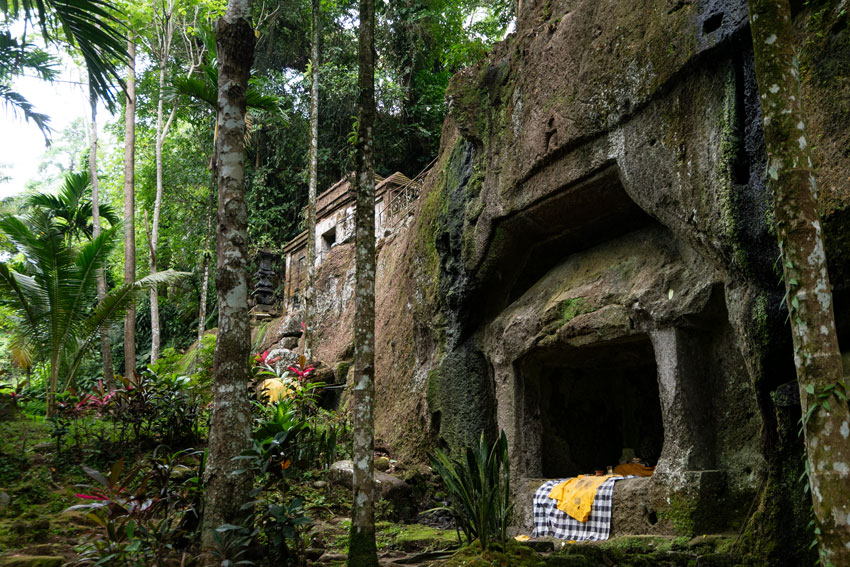
A stone's throw from Goa Gajah lies Yeh Pulu, a far less visited but equally significant temple carved into an isolated ravine. This modest site features centuries-old bas reliefs depicting daily life in ancient Bali—invaluable visual records of how ordinary people lived, worked, and worshipped generations ago.
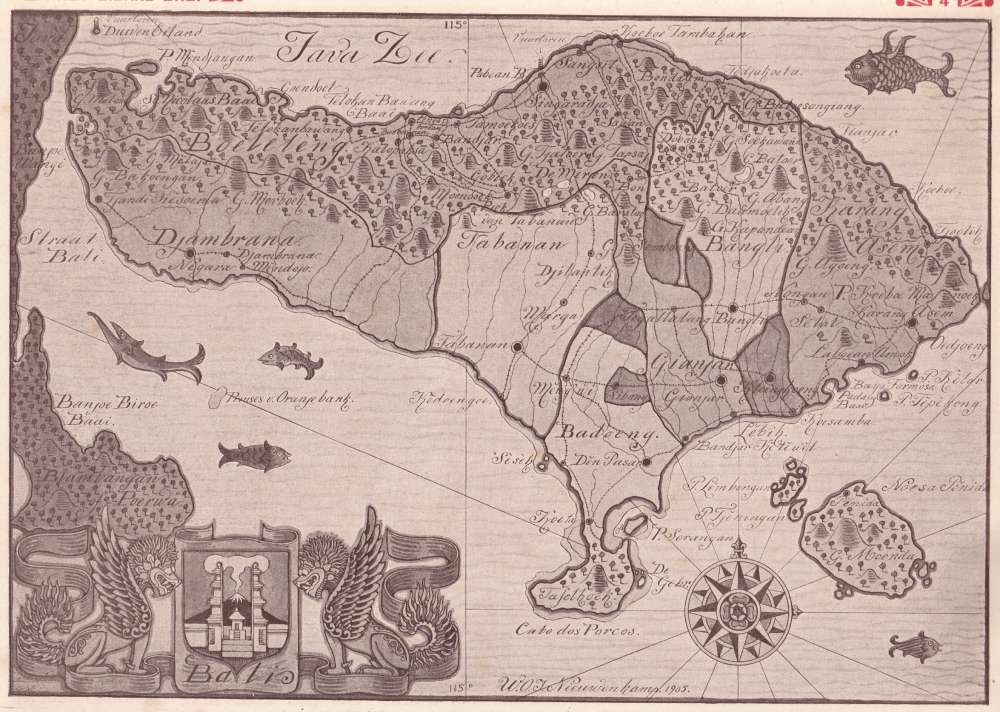
The site remained unknown to modern scholarship until 1925, when local district rulers brought it to the attention of Dutch artist W.O.J. Nieuwenkamp. Only in 1929 did proper excavation by the Dutch Colonial Archaeological Bureau reveal Yeh Pulu's true historical importance.
Unlike its famous neighbour, Yeh Pulu offers an intimate, undisrupted experience—visitors can contemplate the intricately carved narratives in relative solitude, uninterrupted by tour groups and souvenir vendors.
Why These Sites Matter Today
These megalithic and archaeological sites provide essential context for understanding modern Bali. They demonstrate that Balinese civilisation possessed sophisticated artistic, architectural, and spiritual traditions long before Hindu-Buddhist integration. The stone carvings offer windows into pre-colonial Balinese society, revealing a culture with established political hierarchies, artistic traditions, and spiritual practices.
For visitors and residents alike, exploring these lesser-known sites offers what mainstream tourism cannot: authentic engagement with Bali's deep history and the intellectual satisfaction of discovering places where few others venture.
Source: NOW Bali