Subak: Bali's Ancient Water System Blends Farming and Spirituality
Ancient Subak System Underpins Bali's Rice Farming and Philosophy
Bali's intricate subak irrigation system represents far more than agricultural engineering—it embodies centuries of communal governance, spiritual philosophy, and environmental stewardship. Dating back at least to the 11th century, this sophisticated water management network continues to shape the island's landscape and cultural identity.
Origins and Historical Significance
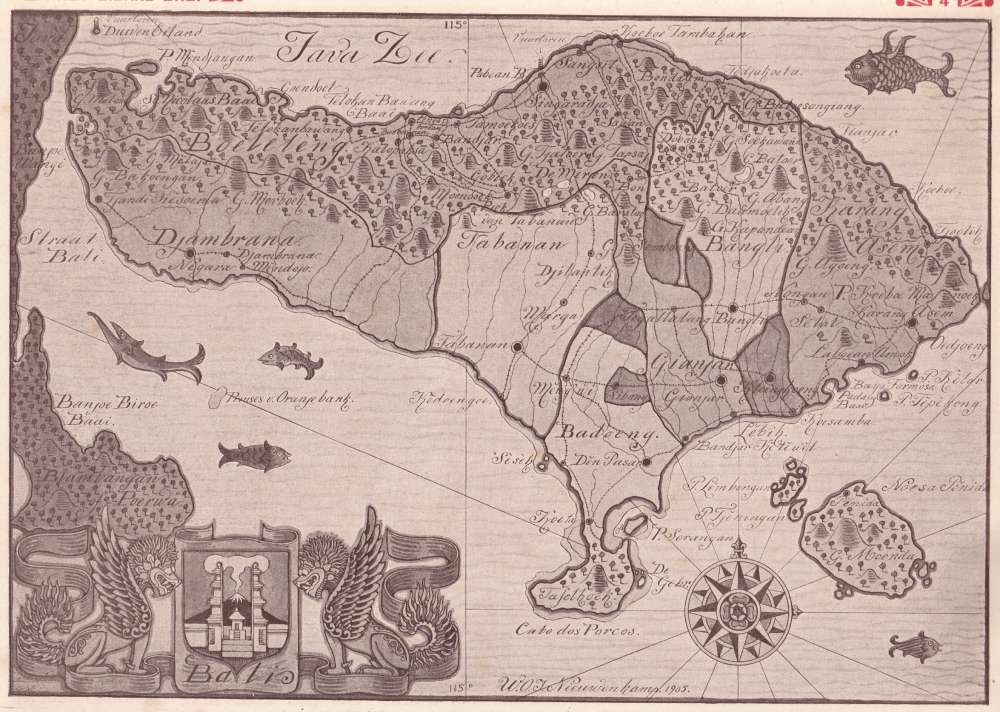
Historical records first documented the subak system in 1072 AD in Tabanan, West Bali, according to inscriptions found at Pandak Bandungung. Rather than being a purely technical irrigation mechanism, these early references describe subak as a comprehensive social and religious institution governing water use for rice cultivation.
The longevity of the subak system reflects its effectiveness. For nearly a thousand years, Balinese farmers have maintained complex networks of channels, terraces, and water sources that distribute irrigation fairly across rice paddies while maintaining environmental balance.
Community-Based Water Management
The subak operates as a farmer-led cooperative that makes critical decisions through deliberative consensus rather than top-down authority. Community members collectively determine planting schedules, select rice varieties, and establish water distribution protocols. This participatory approach has fostered social cohesion while optimizing agricultural productivity.
Water distribution is carried out in a fair and equitable manner, achieved through deliberation among farmers. Various decisions, from planting times to the specific types of rice to be cultivated, are made by deliberative consensus.
When disputes arise or rules are violated, the subak community enforces sanctions through internal mechanisms, often linking consequences to ritual observances at local temples. This integration of governance with spiritual practice reinforces both compliance and community bonds.
The Tri Hita Karana Connection
The subak system physically manifests the Tri Hita Karana philosophy, a fundamental Balinese principle meaning "three causes of well-being." This tenet emphasizes balance across three interconnected relationships: humans with the divine (parahyangan), humans with each other (pawongan), and humans with nature (palemahan).
Through subak's water-sharing practices and environmental stewardship, farmers actively cultivate this tripartite harmony. By protecting water sources, maintaining irrigation infrastructure, and respecting ecological limits, subak practitioners honor their obligation to nature. Simultaneously, cooperative decision-making strengthens social bonds and collective identity.
Beyond Irrigation: A Way of Life
For Balinese communities, subak transcends its functional role as an irrigation system. It represents a cultural institution that prioritizes unity, environmental respect, and sustainable living. The system's longevity demonstrates how traditional knowledge can achieve ecological balance without modern industrial interventions.
The subak model has gained international recognition as a sustainable agricultural practice. In 2012, UNESCO recognized the Balinese subak system as a Cultural Landscape, acknowledging its significance as both a functioning agricultural system and a cultural heritage site.
This article was adapted from reporting by Bali Discovery, drawing on research from Kompas.com and official sources including the Buleleng Regency website.
Source: Bali Discovery